Get the Space Coast’s top local news in your inbox.Top local news, free in your inbox.Free. Unsubscribe anytime.

×

The Space Coast Wire™

Local news for Brevard County and the Space Coast

What Grows in Brevard

Fruits and vegetables that grow well here, with planting and harvest months, the varieties that do best and growing tips, all from UF/IFAS Extension. Brevard County is in USDA Plant Hardiness Zones 9b–10a. (USDA Plant Hardiness Zone Map)

Guide checked 2026-10-31 · Outlook updates from our instruments every few minutes

Growing Outlook from our instruments

Temperature72–87°FLast 7 days · 2 above 85°F · 7 nights above 70°F
Frost riskNone this weekLowest: 72°F
Rain1.15 in. this week0.00 in. so far in November vs. about 0.08 in. typical to date (NOAA normal for the month: 2.55 in.)
SunlightCollectingOur sun log started Oct 31; averages appear after the first full day.
WindTop gust 24 mphLast 7 days
Chill hours0 hrsHours between 32°F and 45°F since Nov. 1 that our station has logged; low-chill peaches need about 200–350
Air qualityPM2.5 2.9 µg/m³7-day average from our air sensor. Shown for reference; we don't flag crops on it because we found no UF/IFAS, USDA or EPA guidance tying these levels to garden harvests.

How this works: These are estimates from our own instruments, not a guarantee. We compare the last 7 days of readings with thresholds published by UF/IFAS: frost and freeze temperatures for tender crops, tomato blossom drop above 85°F days or 70°F nights (UF/IFAS Blossom Drop in Tomato (HS1195)), 1–2 in. of water a week for vegetables (UF/IFAS Efficient Irrigation for Edible Landscapes (EP617)), and chill hours between 32°F and 45°F (UF/IFAS Gardening Solutions: Peaches (chill hours 32–45°F)). Gusts of 39 mph or more count as strong wind (NOAA NHC glossary: tropical-storm force starts at 39 mph). Sun hours count the time our solar sensor reads above 120 W/m² (WMO definition of sunshine duration (120 W/m²)); our sensor measures all sunlight, not just direct sun, and sits in one spot, so your yard will differ. Typical rain is the NOAA 1991–2020 normal (NOAA NCEI U.S. Climate Normals 1991–2020, official Brevard County climate site (USW00012838)). Readings with no published crop threshold, like UV and PM2.5, are shown but never flagged.

Ranked best to worst right now: crops you can plant this month come first, then by our outlook (Good, Fair, Watch), minus any flagged readings.

Best Bets Right Now 22

In this month’s planting window

Arugula

#1Plant nowHarvest seasonOutlook: Good

Plant
Sept–Mar
Harvest
Jan, Feb, Mar, Apr, May, Oct, Nov, Dec (estimate: planting month + 35–60 days)
Sun
Full sun: at least 6 hours of direct sun a day
Water
1–2 in. a week
Best varieties
Speedy, Astro
  • SunNeeds: 6+ hrs/dayWe've had: collecting
  • WaterNeeds: 1–2 in./weekWe've had: 1.15 in. rain✓ Match
  • Temp72–87°F this week

Plant at 2–3 week intervals from fall through spring for a continual harvest. The dark-green, spicy leaves can be steamed, pureed, or used raw in salads and sandwiches. Harvest individual leaves as needed or the entire plant when it is 8–10 inches tall. Hot temperatures cause arugula to flower and become bitter.

Sources: UF/IFAS Florida Vegetable Gardening Guide (VH021), Tables 1 and 2 (Central Florida) · UF/IFAS Efficient Irrigation for Edible Landscapes (EP617)
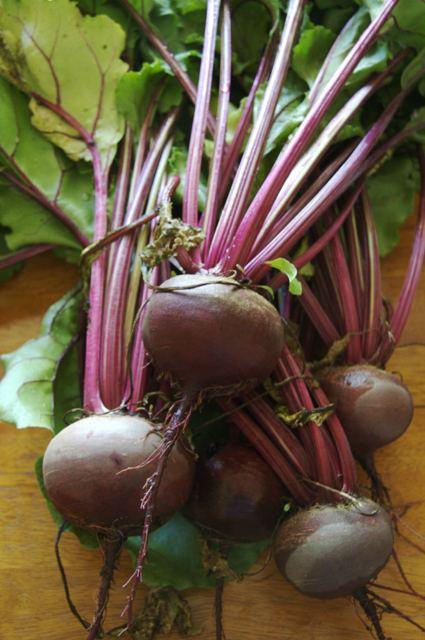
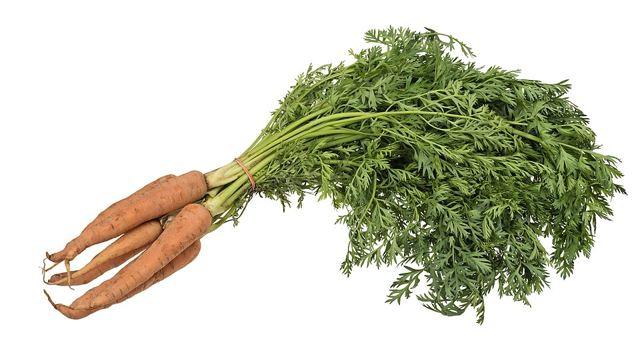
Beets
Photo: BriannaWalther · CC BY-SA 3.0, via Wikimedia Commons

Beets

#2Plant nowHarvest seasonOutlook: Good

Plant
Sept–Feb
Harvest
Jan, Feb, Mar, Apr, Nov, Dec (estimate: planting month + 50–70 days)
Sun
Full sun: at least 6 hours of direct sun a day
Water
1–2 in. a week
Best varieties
Tall Top, Early Wonder, Detroit Dark Red, Cylindra, Red Ace, Yellow Detroit, Chioggia
  • SunNeeds: 6+ hrs/dayWe've had: collecting
  • WaterNeeds: 1–2 in./weekWe've had: 1.15 in. rain✓ Match
  • Temp72–87°F this week

Beets require ample moisture at seeding or poor germination will result. Leaves are edible. Thin early to so beet roots have room to enlarge. Very cold tolerant. High in vitamins and iron.

Sources: UF/IFAS Florida Vegetable Gardening Guide (VH021), Tables 1 and 2 (Central Florida) · UF/IFAS Efficient Irrigation for Edible Landscapes (EP617)
Broccoli

#3Plant nowHarvest seasonOutlook: Good

Plant
Sept–Feb
Harvest
Jan, Feb, Mar, Apr, May, Nov, Dec (estimate: planting month + 75–90 (50–70) days)
Sun
Full sun: at least 6 hours of direct sun a day
Water
1–2 in. a week
Best varieties
Early Green, Early Dividend, Green Sprouting/Calabrese, Waltham, Packman, De Cicco, Broccoli Raab (Rapini)
  • SunNeeds: 6+ hrs/dayWe've had: collecting
  • WaterNeeds: 1–2 in./weekWe've had: 1.15 in. rain✓ Match
  • Temp72–87°F this week

Harvest heads before flowers open. Many small side shoots develop after the main head is cut. Very cold hardy and nutritious. Broccoli raab is not related to broccoli.

Sources: UF/IFAS Florida Vegetable Gardening Guide (VH021), Tables 1 and 2 (Central Florida) · UF/IFAS Efficient Irrigation for Edible Landscapes (EP617)
Carrots
Photo: Evan-Amos · Public domain, via Wikimedia Commons

Carrots

#4Plant nowHarvest seasonOutlook: Good

Plant
Aug–Mar
Harvest
Jan, Feb, Mar, Apr, May, Jun, Jul, Oct, Nov, Dec (estimate: planting month + 70–120 days)
Sun
Full sun: at least 6 hours of direct sun a day
Water
1–2 in. a week
Best varieties
Imperator, Nantes, Danvers, Chantenay
  • SunNeeds: 6+ hrs/dayWe've had: collecting
  • WaterNeeds: 1–2 in./weekWe've had: 1.15 in. rain✓ Match
  • Temp72–87°F this week

Grow carrots on a raised bed for best results. Sow seeds shallowly. They are slow to germinate. Keep soil consistently moist throughout the germination and growing periods. Thin seedlings to recommended spacing when they are an inch tall. Excellent source of vitamin A

Sources: UF/IFAS Florida Vegetable Gardening Guide (VH021), Tables 1 and 2 (Central Florida) · UF/IFAS Efficient Irrigation for Edible Landscapes (EP617)
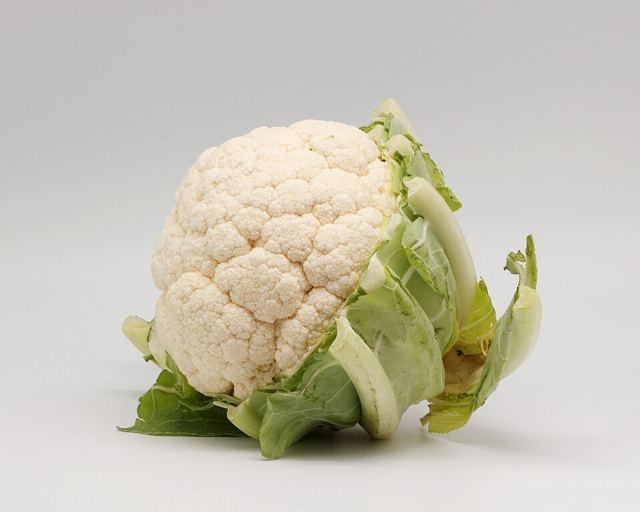
Cauliflower
Photo: Coyau · CC BY-SA 3.0, via Wikimedia Commons

Cauliflower

#5Plant nowHarvest seasonOutlook: Good

Plant
Sept–Feb
Harvest
Jan, Feb, Mar, Apr, May, Nov, Dec (estimate: planting month + 75–90 (50–70) days)
Sun
Full sun: at least 6 hours of direct sun a day
Water
1–2 in. a week
Best varieties
Snowball Strains, Snow Crown, Brocoverde
  • SunNeeds: 6+ hrs/dayWe've had: collecting
  • WaterNeeds: 1–2 in./weekWe've had: 1.15 in. rain✓ Match
  • Temp72–87°F this week

Can be difficult to grow. Plants are cold hardy; heads are not. Tie leaves around the head (called blanching) when it is 2–3 inches to prevent discoloration or plant self-blanching varieties.

Sources: UF/IFAS Florida Vegetable Gardening Guide (VH021), Tables 1 and 2 (Central Florida) · UF/IFAS Efficient Irrigation for Edible Landscapes (EP617)
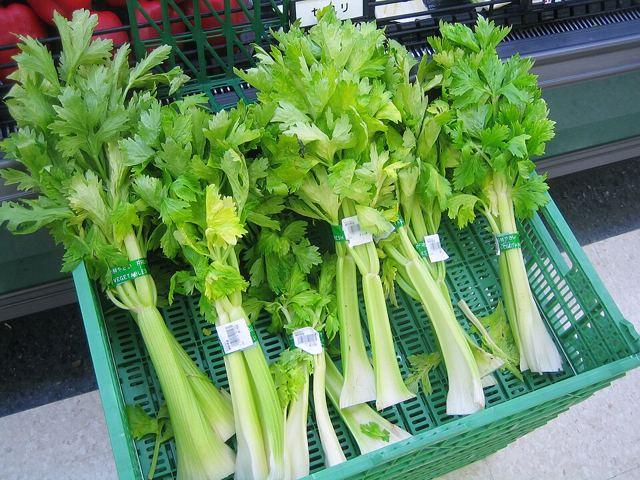
Celery
Photo: Lombroso · Public domain, via Wikimedia Commons

Celery

#6Plant nowHarvest seasonOutlook: Good

Plant
Sept–Mar
Harvest
Jan, Feb, Mar, Apr, May, Jun, Nov, Dec (estimate: planting month + 75–90 days)
Sun
Full sun: at least 6 hours of direct sun a day
Water
1–2 in. a week
Best varieties
Utah strains
  • SunNeeds: 6+ hrs/dayWe've had: collecting
  • WaterNeeds: 1–2 in./weekWe've had: 1.15 in. rain✓ Match
  • Temp72–87°F this week

Can be a difficult crop in the home garden. Requires high soil moisture during seeding/seedling stage. Needs 3 months or longer to mature. Look for early-maturing varieties.

Sources: UF/IFAS Florida Vegetable Gardening Guide (VH021), Tables 1 and 2 (Central Florida) · UF/IFAS Efficient Irrigation for Edible Landscapes (EP617)
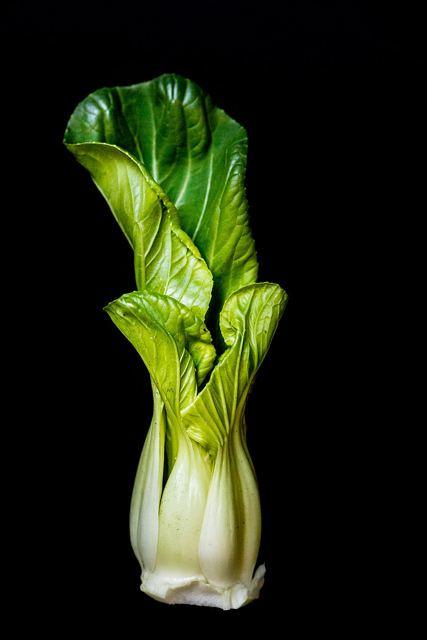
Chinese Cabbage & Bok Choy
Photo: spurekar · CC BY 2.0, via Wikimedia Commons

Chinese Cabbage & Bok Choy

#7Plant nowHarvest seasonOutlook: Good

Plant
Sept–Apr
Harvest
Jan, Feb, Mar, Apr, May, Jun, Jul, Nov, Dec (estimate: planting month + 70–90 (60–70) days)
Sun
Full sun: at least 6 hours of direct sun a day
Water
1–2 in. a week
Best varieties
Michihili, bok choy, Napa, baby bok choy, pak-choi, joi choi
  • SunNeeds: 6+ hrs/dayWe've had: collecting
  • WaterNeeds: 1–2 in./weekWe've had: 1.15 in. rain✓ Match
  • Temp72–87°F this week

Easy to grow. Two types exist: Heading (Pekinensis) and Open-leaf (Chinensis). Bok Choy is open-leaf type, while Michihili and Napa form tighter heads.

Sources: UF/IFAS Florida Vegetable Gardening Guide (VH021), Tables 1 and 2 (Central Florida) · UF/IFAS Efficient Irrigation for Edible Landscapes (EP617)
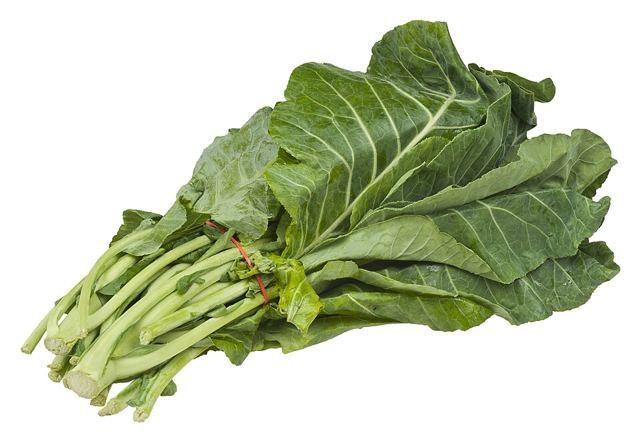
Collards
Photo: Evan-Amos · Public domain, via Wikimedia Commons

Collards

#8Plant nowHarvest seasonOutlook: Good

Plant
Sept–Feb
Harvest
Jan, Feb, Mar, Apr, May, Nov, Dec (estimate: planting month + 70–90 (50–70) days)
Sun
Full sun: at least 6 hours of direct sun a day
Water
1–2 in. a week
Best varieties
Georgia, Georgia Southern, Top Bunch, Vates
  • SunNeeds: 6+ hrs/dayWe've had: collecting
  • WaterNeeds: 1–2 in./weekWe've had: 1.15 in. rain✓ Match
  • Temp72–87°F this week

Cold and heat tolerant. Cool-season greens are more flavorful. Greens are ready for use 2 months after planting. Harvest lower leaves; never remove more than 1/3 of the plant at one time. Responds well to nitrogen fertilizer.

Sources: UF/IFAS Florida Vegetable Gardening Guide (VH021), Tables 1 and 2 (Central Florida) · UF/IFAS Efficient Irrigation for Edible Landscapes (EP617)
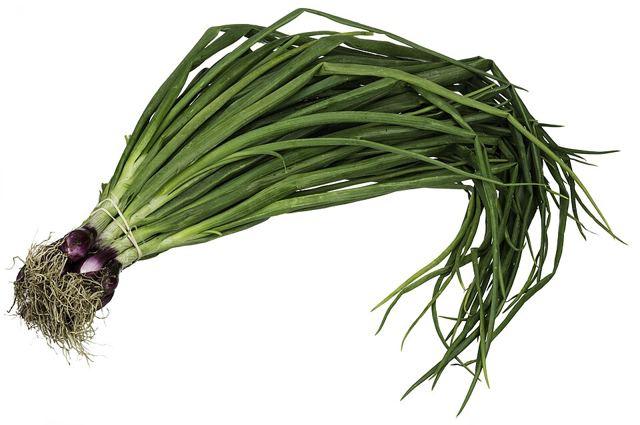
Green Onions & Shallots
Photo: Evan-Amos · Public domain, via Wikimedia Commons

Green Onions & Shallots

#9Plant nowHarvest seasonOutlook: Good

Plant
Aug–Mar
Harvest
Jan, Feb, Mar, Apr, May, Oct, Nov, Dec (estimate: planting month + 50–75 (green) 75–100 (shallots) days)
Sun
Full sun: at least 6 hours of direct sun a day
Water
1–2 in. a week
Best varieties
Bulbing: Granex (yellow) Green: Evergreen Bunching, White Lisbon Bunching Multipliers: Shallots Leeks: American Flag
  • SunNeeds: 6+ hrs/dayWe've had: collecting
  • WaterNeeds: 1–2 in./weekWe've had: 1.15 in. rain✓ Match
  • Temp72–87°F this week

Depending on type, onions may be grown from seed, sets, transplants, or division. Bulbing onions must be planted in fall and be short-day varieties. Green/bunching onions may be grown fall through spring. Plant close and harvest (thin) as needed. Insert sets upright for straight stems. Divide and reset multiplier types every year.

Sources: UF/IFAS Florida Vegetable Gardening Guide (VH021), Tables 1 and 2 (Central Florida) · UF/IFAS Efficient Irrigation for Edible Landscapes (EP617)
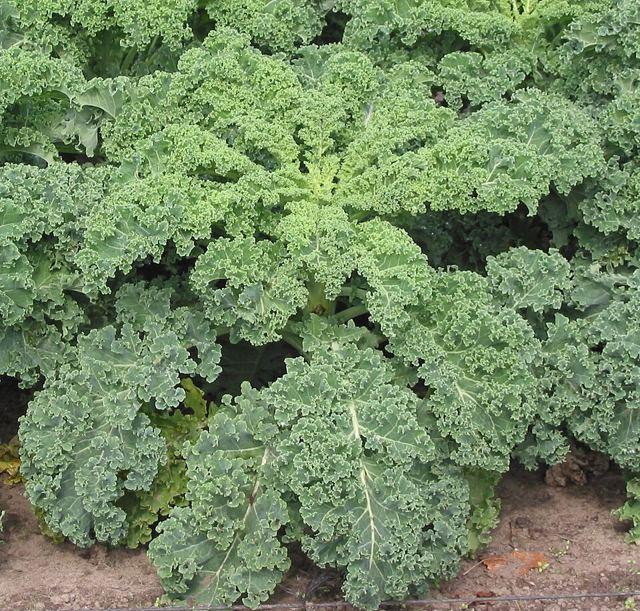
Kale
Photo: Rasbak · CC BY-SA 3.0, via Wikimedia Commons

Kale

#10Plant nowHarvest seasonOutlook: Good

Plant
Sept–Feb
Harvest
Jan, Feb, Mar, Apr, Nov, Dec (estimate: planting month + 50–70 days)
Sun
Full sun: at least 6 hours of direct sun a day
Water
1–2 in. a week
Best varieties
Vates Dwarf Blue Curled, Tuscan (lacinato), Winterbor, Redbor
  • SunNeeds: 6+ hrs/dayWe've had: collecting
  • WaterNeeds: 1–2 in./weekWe've had: 1.15 in. rain✓ Match
  • Temp72–87°F this week

Good source of greens late fall through early spring in north and central Florida. Harvest outer leaves, but no more than 1/3 of the plant at one time. Ornamental types are edible, but not very tasty.

Sources: UF/IFAS Florida Vegetable Gardening Guide (VH021), Tables 1 and 2 (Central Florida) · UF/IFAS Efficient Irrigation for Edible Landscapes (EP617)
Lettuce
Photo: en:User:Geographer · CC BY 1.0, via Wikimedia Commons

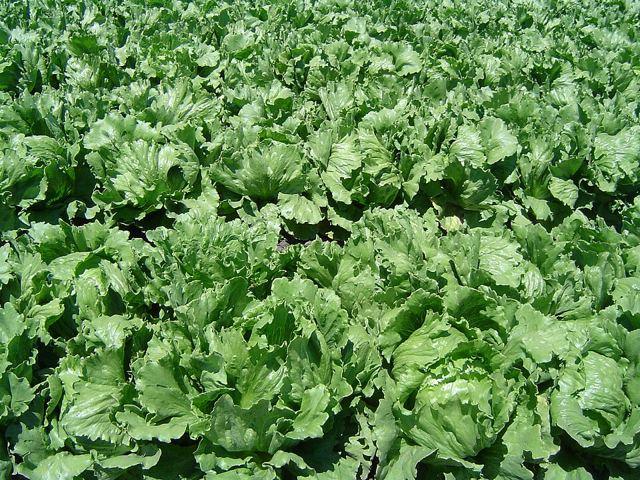
Lettuce

#11Plant nowHarvest seasonOutlook: Good

Plant
Sept–Feb
Harvest
Jan, Feb, Mar, Apr, May, Nov, Dec (estimate: planting month + 60–80 days)
Sun
Full sun: at least 6 hours of direct sun a day
Water
1–2 in. a week
Best varieties
Crisphead: Great Lakes Butterhead: Ermosa, Bibb, TomThumb, Buttercrunch Loose Leaf: Simpson types, Salad Bowl, Red Sails, New Red Fire, Oak Leaf, Salad Bowl, Royal Oak Romaine: Parris Island Cos, Outredgeous
  • SunNeeds: 6+ hrs/dayWe've had: collecting
  • WaterNeeds: 1–2 in./weekWe've had: 1.15 in. rain✓ Match
  • Temp72–87°F this week

Leaf types grow well in Florida; grow crisphead type only in coolest months. Damaged by freezing temperatures. Warm temperatures cause bitterness. Sow seeds very shallow because they need light to germinate. Intercrop lettuce with long-season and/or taller vegetables.

Sources: UF/IFAS Florida Vegetable Gardening Guide (VH021), Tables 1 and 2 (Central Florida) · UF/IFAS Efficient Irrigation for Edible Landscapes (EP617)
Mustard Greens
Photo: Walther Otto Müller · Public domain, via Wikimedia Commons

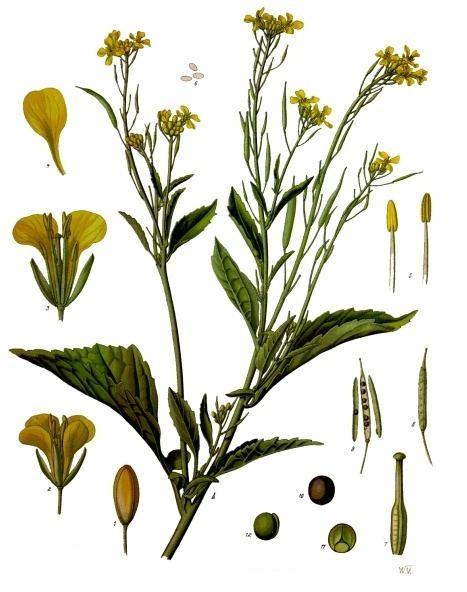
Mustard Greens

#12Plant nowHarvest seasonOutlook: Good

Plant
Sept–Feb
Harvest
Jan, Feb, Mar, Apr, Oct, Nov, Dec (estimate: planting month + 40–50 days)
Sun
Full sun: at least 6 hours of direct sun a day
Water
1–2 in. a week
Best varieties
Southern Giant Curled, Florida Broad Leaf, Tendergreen, Giant Red, Green Wave, Mizuna
  • SunNeeds: 6+ hrs/dayWe've had: collecting
  • WaterNeeds: 1–2 in./weekWe've had: 1.15 in. rain✓ Match
  • Temp72–87°F this week

Good cooking green fall through spring; harvest outer leaves. Broadleaf types require more space. Damaged by freezing temperatures. Warm temperatures create bitter flavor.

Sources: UF/IFAS Florida Vegetable Gardening Guide (VH021), Tables 1 and 2 (Central Florida) · UF/IFAS Efficient Irrigation for Edible Landscapes (EP617)
Radish
Photo: Self, en:User:Jengod · Public domain, via Wikimedia Commons

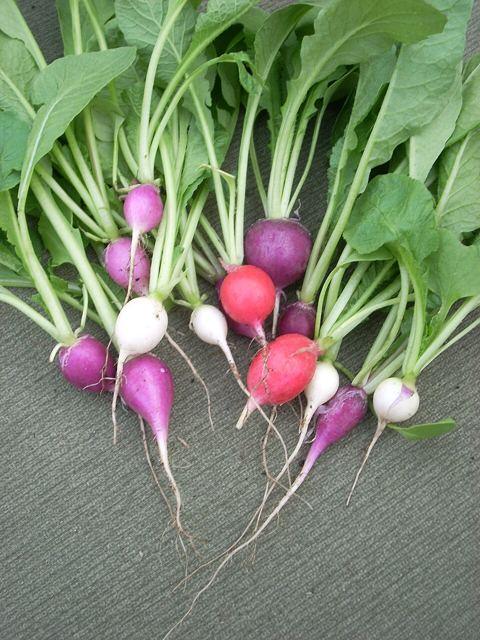
Radish

#13Plant nowHarvest seasonOutlook: Good

Plant
Sept–Mar
Harvest
Jan, Feb, Mar, Apr, Oct, Nov, Dec (estimate: planting month + 20–30 days)
Sun
Full sun: at least 6 hours of direct sun a day
Water
1–2 in. a week
Best varieties
Cherry Belle, White Icicle, Sparkler, Champion, Daikon
  • SunNeeds: 6+ hrs/dayWe've had: collecting
  • WaterNeeds: 1–2 in./weekWe've had: 1.15 in. rain✓ Match
  • Temp72–87°F this week

Easy and fast-growing; thin early and inter-crop with slow-growing vegetables to save space. Plant every two weeks during the growing season for a continuous supply. Spicy, bitter flavor caused by hot weather and over-maturity. Winter/Asian radishes (such as Daikon) also grow well in Florida.

Sources: UF/IFAS Florida Vegetable Gardening Guide (VH021), Tables 1 and 2 (Central Florida) · UF/IFAS Efficient Irrigation for Edible Landscapes (EP617)
Spinach
Photo: Rasbak · CC BY-SA 3.0, via Wikimedia Commons

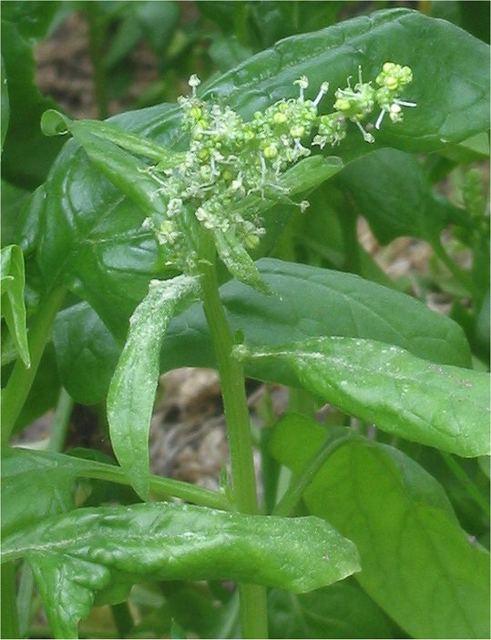
Spinach

#14Plant nowHarvest seasonOutlook: Good

Plant
Sept–Mar
Harvest
Jan, Feb, Mar, Apr, May, Oct, Nov, Dec (estimate: planting month + 45–60 days)
Sun
Full sun: at least 6 hours of direct sun a day
Water
1–2 in. a week
Best varieties
Melody 3, Bloomsdale Longstanding, Tyee, Space
  • SunNeeds: 6+ hrs/dayWe've had: collecting
  • WaterNeeds: 1–2 in./weekWe've had: 1.15 in. rain✓ Match
  • Temp72–87°F this week

Grows best only during the coolest months. Quick maturing. Harvest entire plant or by removing outer leaves. New Zealand spinach and Malabar spinach, although not true spinach, grow well during warm months in Florida. Plant New Zealand spinach or Swiss Chard for summer greens.

Sources: UF/IFAS Florida Vegetable Gardening Guide (VH021), Tables 1 and 2 (Central Florida) · UF/IFAS Efficient Irrigation for Edible Landscapes (EP617)
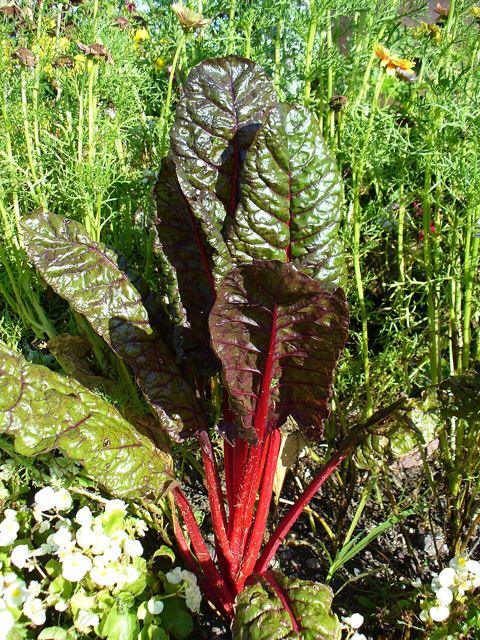
Swiss Chard
Photo: Neelix at English Wikipedia · Public domain, via Wikimedia Commons

Swiss Chard

#15Plant nowHarvest seasonOutlook: Good

Plant
Sept–May
Harvest
Jan, Feb, Mar, Apr, May, Jun, Jul, Oct, Nov, Dec (estimate: planting month + 45–60 days)
Sun
Full sun: at least 6 hours of direct sun a day
Water
1–2 in. a week
Best varieties
Bright Lights, Bright Yellow, Fordhook Giant, Lucullus, Red Ruby
  • SunNeeds: 6+ hrs/dayWe've had: collecting
  • WaterNeeds: 1–2 in./weekWe've had: 1.15 in. rain✓ Match
  • Temp72–87°F this week

Seeds can be sown in the fall as well as in late winter/early spring. An excellent alternative green for warm weather. Harvest outer leaves when 8–10 inches long. Very susceptible to root-knot nematodes.

Sources: UF/IFAS Florida Vegetable Gardening Guide (VH021), Tables 1 and 2 (Central Florida) · UF/IFAS Efficient Irrigation for Edible Landscapes (EP617)
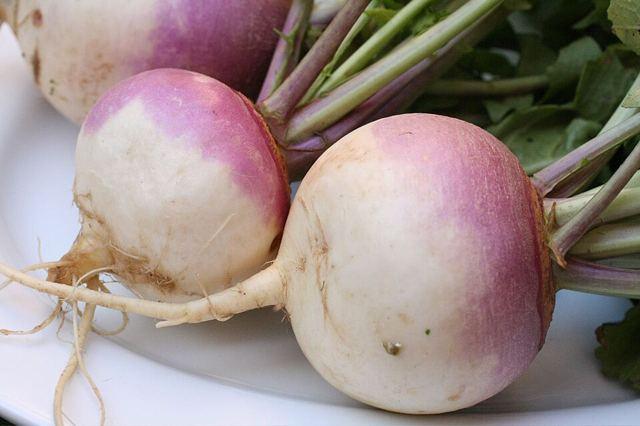
Turnips
Photo: thebittenword.com · CC BY 2.0, via Wikimedia Commons

Turnips

#16Plant nowHarvest seasonOutlook: Good

Plant
Sept–Feb
Harvest
Jan, Feb, Mar, Apr, Oct, Nov, Dec (estimate: planting month + 40–60 days)
Sun
Full sun: at least 6 hours of direct sun a day
Water
1–2 in. a week
Best varieties
Roots: Purple Top White Globe Greens: Seven Top, Shogoin
  • SunNeeds: 6+ hrs/dayWe've had: collecting
  • WaterNeeds: 1–2 in./weekWe've had: 1.15 in. rain✓ Match
  • Temp72–87°F this week

Quick-growing, cool weather crop. Grow for roots and tops (greens). Broadcast seed in a wide-row or single file. Thin early to allow for root expansion. Smaller roots (2") are milder in flavor.

Sources: UF/IFAS Florida Vegetable Gardening Guide (VH021), Tables 1 and 2 (Central Florida) · UF/IFAS Efficient Irrigation for Edible Landscapes (EP617)
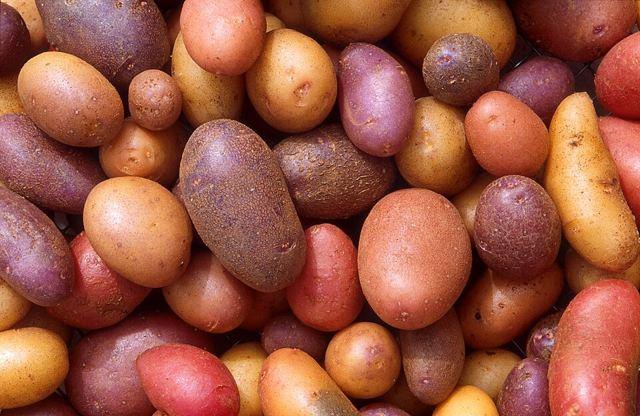
Cabbage

#17Plant nowOutlook: Good

Plant
Sept–Feb
Harvest
Jan, Feb, Mar, Apr, May, Jun, Dec (estimate: planting month + 85–110 (70–90) days)
Sun
Full sun: at least 6 hours of direct sun a day
Water
1–2 in. a week
Best varieties
Rio Verde, Flat Dutch, Round Dutch, Wakefield types, Copenhagen Market, Savoy, Red Acre
  • SunNeeds: 6+ hrs/dayWe've had: collecting
  • WaterNeeds: 1–2 in./weekWe've had: 1.15 in. rain✓ Match
  • Temp72–87°F this week

High in vitamins, especially vitamin C. Long fall/winter planting season. Buy clean plants to avoid cabbage black-rot disease. Needs ample moisture and fertilizer. Frost tolerant. Watch for caterpillars.

Sources: UF/IFAS Florida Vegetable Gardening Guide (VH021), Tables 1 and 2 (Central Florida) · UF/IFAS Efficient Irrigation for Edible Landscapes (EP617)
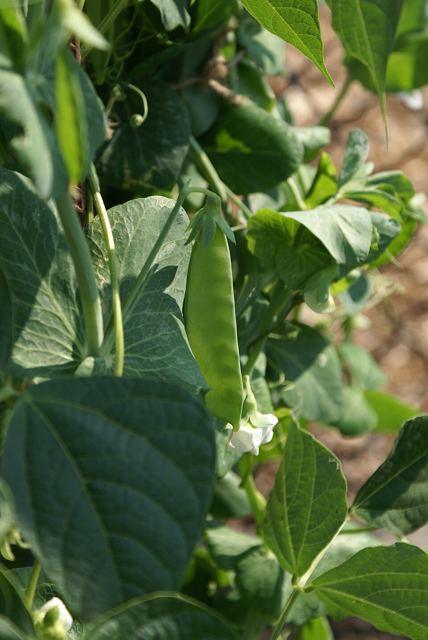
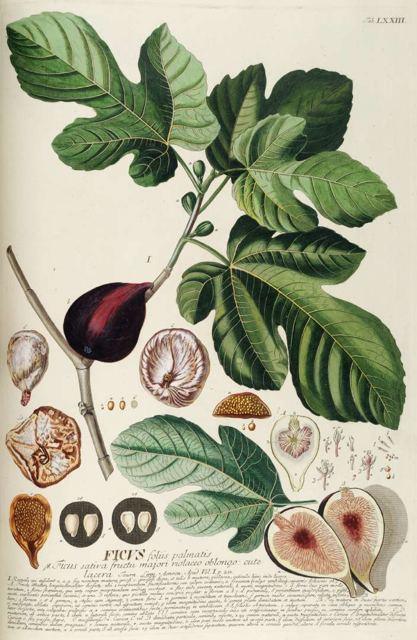
Fig
Photo: Trew, C.J · Public domain, via Wikimedia Commons

Fig

#18Plant nowOutlook: Good

Plant
Container plants any time; bare-root best in late winter or early spring
Harvest
July–October
Sun
Full sun all day
Water
Steady water during flowering and fruiting once established
Best varieties
'Celeste', 'Brown Turkey', 'Ischia'
  • SunNeeds: 8+ hrs/dayWe've had: collecting
  • Temp72–87°F this week

Only common figs fruit in Florida. Needs about 100 chill hours. Full sun all day, plenty of water while fruiting, no soggy soil; mulch to deter root-knot nematodes. Prune only after harvest. Tolerates down to about 18°F.

Sources: UF/IFAS Gardening Solutions: Fig

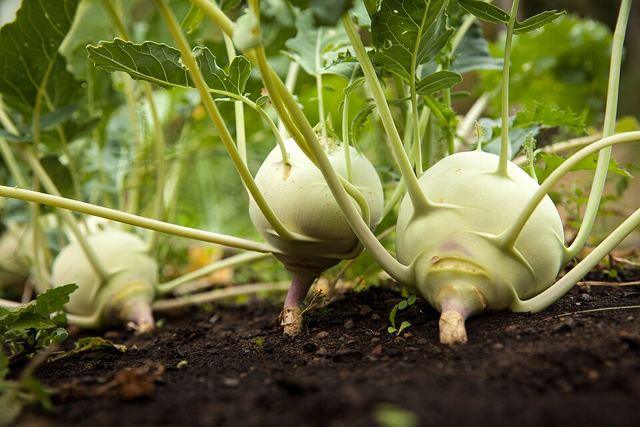
Kohlrabi
Photo: Unknown · CC0, via Wikimedia Commons

Kohlrabi

#19Plant nowOutlook: Good

Plant
Oct–Mar
Harvest
Jan, Feb, Mar, Apr, May, Jun, Dec (estimate: planting month + 70–80 (50–55) days)
Sun
Full sun: at least 6 hours of direct sun a day
Water
1–2 in. a week
Best varieties
Early White Vienna, Purple Vienna
  • SunNeeds: 6+ hrs/dayWe've had: collecting
  • WaterNeeds: 1–2 in./weekWe've had: 1.15 in. rain✓ Match
  • Temp72–87°F this week

Easy to grow. Red and green varieties exist. Use fresh or cooked. Leaves are edible. Harvest stems when 1½ to 3 inches in diameter.

Sources: UF/IFAS Florida Vegetable Gardening Guide (VH021), Tables 1 and 2 (Central Florida) · UF/IFAS Efficient Irrigation for Edible Landscapes (EP617)
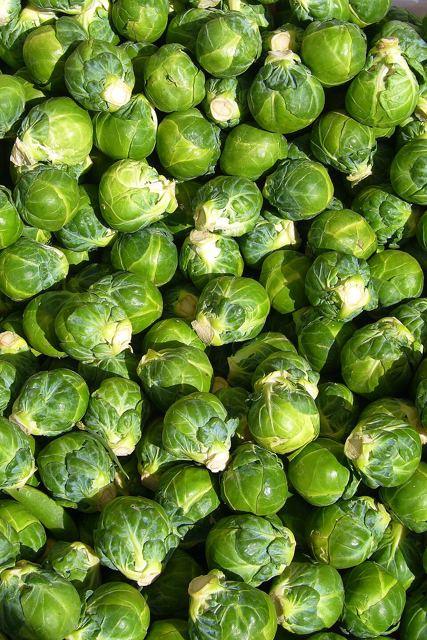
Potatoes
Photo: Scott Bauer, USDA ARS · Public domain, via Wikimedia Commons

Potatoes

#20Plant nowOutlook: Good

Plant
Nov–Feb
Harvest
Feb, Mar, Apr, May, Jun (estimate: planting month + 85–110 days)
Sun
Full sun: at least 6 hours of direct sun a day
Water
1–2 in. a week
Best varieties
Red Pontiac, Yukon Gold, Gold Rush
  • SunNeeds: 6+ hrs/dayWe've had: collecting
  • WaterNeeds: 1–2 in./weekWe've had: 1.15 in. rain✓ Match
  • Temp72–87°F this week

Plant 2-ounce certified seed pieces with at least one eye. Each will produce 6–8 potatoes. Do not start with "store bought." Require cool temperatures, moisture, and large amounts of fertilizer.

Sources: UF/IFAS Florida Vegetable Gardening Guide (VH021), Tables 1 and 2 (Central Florida) · UF/IFAS Efficient Irrigation for Edible Landscapes (EP617)
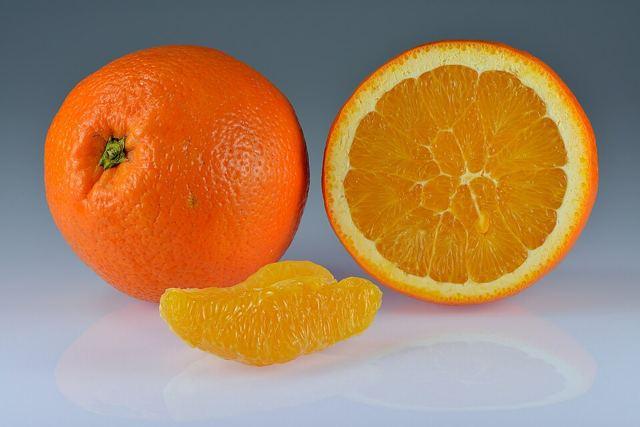
Snow & English Peas
Photo: JS · CC BY-SA 3.0, via Wikimedia Commons

Snow & English Peas

#21Plant nowOutlook: Good

Plant
Nov–Feb
Harvest
Jan, Feb, Mar, Apr, May (estimate: planting month + 60–80 days)
Sun
Full sun: at least 6 hours of direct sun a day
Water
1–2 in. a week
Best varieties
Wando, Green Arrow, Sugar Snap, Oregon Sugarpod II
  • SunNeeds: 6+ hrs/dayWe've had: collecting
  • WaterNeeds: 1–2 in./weekWe've had: 1.15 in. rain✓ Match
  • Temp72–87°F this week

Fertilize at ½ rate used for other vegetables; too much nitrogen limits production (as do warm temperatures). May need support depending on type. Consume soon after harvest for best quality.

Sources: UF/IFAS Florida Vegetable Gardening Guide (VH021), Tables 1 and 2 (Central Florida) · UF/IFAS Efficient Irrigation for Edible Landscapes (EP617)
Brussels Sprouts
Photo: Eric Hunt · CC BY 2.5, via Wikimedia Commons

Brussels Sprouts

#22Plant nowOutlook: Fair⚠ 1 reading to watch

⚠ No night below 60°F this week. UF/IFAS says sprouts need cool weather (58–60°F) or they may open loose. (UF/IFAS Florida Vegetable Gardening Guide (VH021))

Plant
Sept–Feb
Harvest
Jan, Feb, Mar, Apr, May, Jun, Dec (estimate: planting month + 90–120 (70–90) days)
Sun
Full sun: at least 6 hours of direct sun a day
Water
1–2 in. a week
Best varieties
Jade Cross, Long Island Improved
  • SunNeeds: 6+ hrs/dayWe've had: collecting
  • WaterNeeds: 1–2 in./weekWe've had: 1.15 in. rain✓ Match
  • Temp72–87°F this week

Cool weather (58°F–60°F) is required or sprouts will open and not be solid. Sprouts are picked when they are walnut-sized and firm. The first sprouts near the bottom of the plant will be ready first. Pull off the leaves below the mature sprouts, then remove the sprouts by twisting them from the stem. Pick the sprouts at about 2-week intervals and keep refrigerated.

Sources: UF/IFAS Florida Vegetable Gardening Guide (VH021), Tables 1 and 2 (Central Florida) · UF/IFAS Efficient Irrigation for Edible Landscapes (EP617)
Also Growing Now 22

Fruit trees and crops outside their planting window with no warnings

Citrus (Oranges, Tangelos, Lemons, Limes)
Photo: Ivar Leidus · CC BY-SA 4.0, via Wikimedia Commons

Citrus (Oranges, Tangelos, Lemons, Limes)

#24Harvest seasonOutlook: Good

Plant
Not given by the source; container trees are usually planted in the warm months — ask the nursery
Harvest
Meyer lemon ripens November–March; other types vary by variety
Sun
Light shade OK, but more fruit in full sun
Water
Steady water during flowering and fruiting once established
Best varieties
Navel, Hamlin, Valencia, Temple, Honey tangerine (Murcott), Minneola tangelo, 'Meyer' lemon
  • SunNeeds: 6+ hrs/dayWe've had: collecting
  • Temp72–87°F this week

Buy only certified trees from state-registered nurseries. Full sun is most productive; space trees at least 15 ft apart and away from buildings, power lines and septic fields. Remove suckers on young trees; mature trees need little pruning. Lemons and limes are the most cold-sensitive and suit Central and South Florida.

Sources: UF/IFAS Gardening Solutions: Citrus (Oranges, Tangelos, Lemons, Limes)

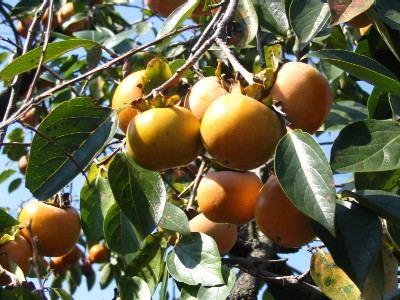
Japanese Persimmon
Photo: Sphl · CC BY-SA 3.0, via Wikimedia Commons

Japanese Persimmon

#27Harvest seasonOutlook: Good

Plant
Not given by the source; container trees are usually planted in the warm months — ask the nursery
Harvest
Late summer through fall
Sun
Not stated by the source
Water
Steady water during flowering and fruiting once established
Best varieties
Astringent and non-astringent types (none named by the source)
  • SunNeeds: Not stated by the sourceWe've had: collecting
  • Temp72–87°F this week

Grows and fruits well in Central and North Florida. One tree is enough. Let astringent types get very soft before eating. Pick before the birds do.

Sources: UF/IFAS Gardening Solutions: Japanese Persimmon

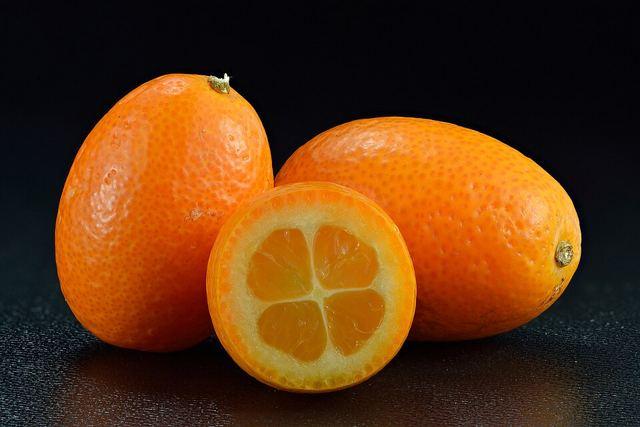
Kumquat
Photo: Ivar Leidus · CC BY-SA 4.0, via Wikimedia Commons

Kumquat

#28Harvest seasonOutlook: Good

Plant
Not given by the source; container trees are usually planted in the warm months — ask the nursery
Harvest
Matures by October and keeps producing through March
Sun
Sunny spot for the most fruit; tolerates part shade
Water
Steady water during flowering and fruiting once established
Best varieties
'Meiwa' (sweeter, fewer seeds), 'Nagami' (sourer), 'Centennial' (variegated)
  • SunNeeds: Sunny spot for the most fruit; tolerates part shadeWe've had: collecting
  • Temp72–87°F this week

Self-pollinating, so one tree is enough. Cold hardy to about 10°F. Plant in a sunny spot (it will take part shade); give trees room so they don't shade each other.

Sources: UF/IFAS Gardening Solutions: Kumquat

Pineapple Guava (Feijoa)

#31Harvest seasonOutlook: Good

Plant
Not given by the source; container trees are usually planted in the warm months — ask the nursery
Harvest
September–November
Sun
Full sun or part shade
Water
Steady water during flowering and fruiting once established
Best varieties
'Coolidge' (self-fruiting)
  • SunNeeds: Full sun or part shadeWe've had: collecting
  • Temp72–87°F this week

Especially suited to coastal gardens — tolerates salt spray. Zones 8–11, full sun or part shade. Fruits better with 50–200 cold hours each winter.

Sources: UF/IFAS Gardening Solutions: Pineapple Guava (Feijoa)

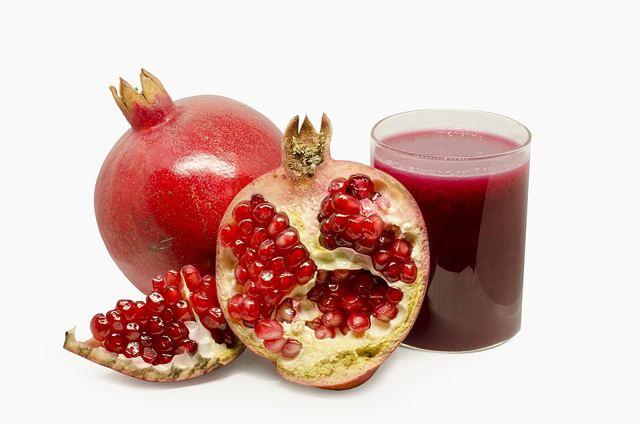
Pomegranate
Photo: Augustus Binu : flickr · CC BY-SA 3.0, via Wikimedia Commons

Pomegranate

#33Harvest seasonOutlook: Good

Plant
Not given by the source; container trees are usually planted in the warm months — ask the nursery
Harvest
July–November (North Florida timing per source)
Sun
Not stated by the source
Water
Steady water during flowering and fruiting once established
Best varieties
'Girkanets', 'Kazake', 'Wonderful', 'Al-sirin-nar', 'Medovyi Vahsha', 'Christine', 'Salavatski'
  • SunNeeds: Not stated by the sourceWe've had: collecting
  • Temp72–87°F this week

Zones 7–11. Self-pollinating. Wants deep, slightly acidic, moist soil; keep moisture steady in late summer and early fall to reduce fruit splitting.

Sources: UF/IFAS Gardening Solutions: Pomegranate

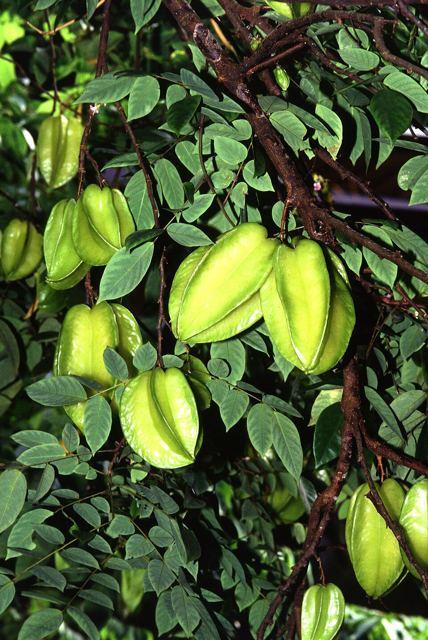
Star Fruit (Carambola)
Photo: See file page · Public domain, via Wikimedia Commons

Star Fruit (Carambola)

#35Harvest seasonOutlook: Good

Plant
Not given by the source; container trees are usually planted in the warm months — ask the nursery
Harvest
June–February, peaks Aug–Sept and Dec–Feb
Sun
Not stated by the source
Water
Steady water during flowering and fruiting once established
Best varieties
Not named by the source
  • SunNeeds: Not stated by the sourceWe've had: collecting
  • Temp72–87°F this week

Not salt tolerant, so not ideal near the coast. Needs wind protection (keep it under 12 ft), moist well-drained soil and warmth; cold and freezes can badly damage it. Water from flowering to harvest.

Sources: UF/IFAS Gardening Solutions: Star Fruit (Carambola)

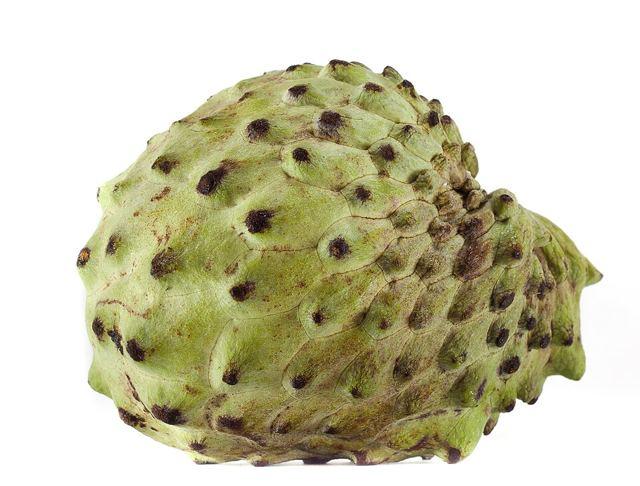
Atemoya & Sugar Apple
Photo: Webysther Nunes · CC BY-SA 4.0, via Wikimedia Commons

Atemoya & Sugar Apple

#39Outlook: Good

Plant
Not given by the source; container trees are usually planted in the warm months — ask the nursery
Harvest
Late summer to early fall
Sun
Not stated by the source
Water
Steady water during flowering and fruiting once established
Best varieties
'Gefner' (no hand-pollinating needed), 'Lessard Thai', 'LeahReese', 'Purple', 'Red', 'Kampong Mauve'
  • SunNeeds: Not stated by the sourceWe've had: collecting
  • Temp72–87°F this week

Damaged below freezing; in Central Florida plant in the warmest, easiest-to-protect spot. Not saltwater tolerant. Fertilize April–September; prune in early March.

Sources: UF/IFAS Gardening Solutions: Atemoya & Sugar Apple

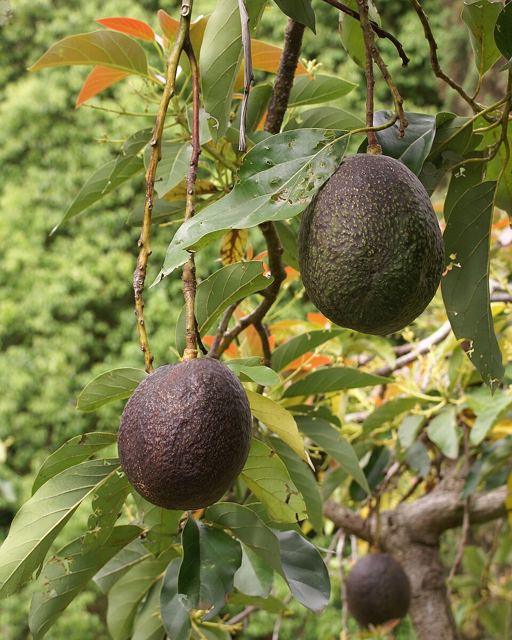
Avocado
Photo: B.navez · CC BY-SA 3.0, via Wikimedia Commons

Avocado

#40Outlook: Good

Plant
Not given by the source; container trees are usually planted in the warm months — ask the nursery
Harvest
Varies by variety; fruit ripens off the tree
Sun
Not stated by the source
Water
Steady water during flowering and fruiting once established
Best varieties
Self-fruitful: 'Waldin', 'Lula', 'Taylor'. More cold-tolerant: 'Choquette', 'Booth 8'
  • SunNeeds: Not stated by the sourceWe've had: collecting
  • Temp72–87°F this week

Best where it doesn't freeze; buy only from registered nurseries (laurel wilt disease). Some varieties need an A and a B type to pollinate. Needs good drainage — it won't tolerate flooding. Strong winds can break limbs. Fruit ripens 3–8 days after picking.

Sources: UF/IFAS Gardening Solutions: Avocado

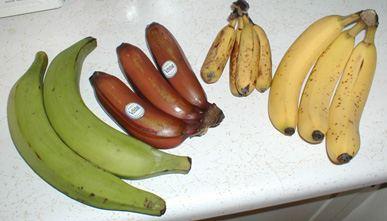
Banana
Photo: TimothyPilgrim · CC BY-SA 3.0, via Wikimedia Commons

Banana

#41Outlook: Good

Plant
Not given by the source; container trees are usually planted in the warm months — ask the nursery
Harvest
Not given by the source
Sun
Full sun, wind-protected
Water
Steady water during flowering and fruiting once established
Best varieties
'Dwarf Cavendish', 'Lady Finger', 'Apple', 'Ice Cream'
  • SunNeeds: 6+ hrs/dayWe've had: collecting
  • Temp72–87°F this week

Plant in moist, fertile soil, full sun, sheltered from wind. Sandy Florida soils mean fertilizing 4–6 times a year, but don't overwater. Keep three or four stalks of different ages. Leaves brown below freezing.

Sources: UF/IFAS Gardening Solutions: Banana

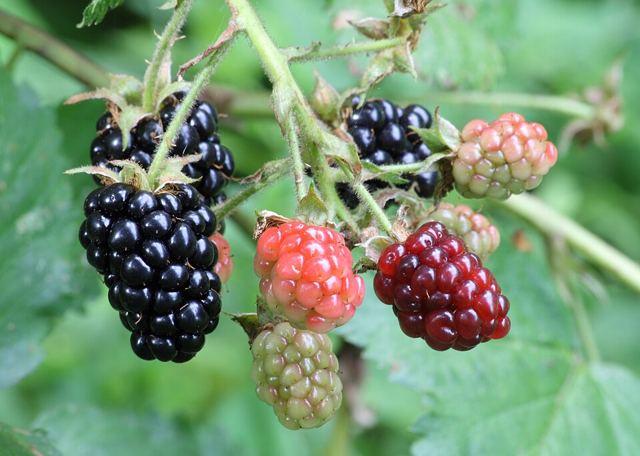
Blackberries
Photo: Ragesoss · CC BY-SA 3.0, via Wikimedia Commons

Blackberries

#42Outlook: Good

Plant
February–April
Harvest
May–June
Sun
Full sun
Water
Steady water during flowering and fruiting once established
Best varieties
'Osage', 'Ouachita', 'Ponca', 'Prime-Ark Freedom', 'Prime-Ark Horizon', 'Prime-Ark Traveler', 'Kiowa' (named for North and North Central Florida)
  • SunNeeds: 6+ hrs/dayWe've had: collecting
  • Temp72–87°F this week

Plant February–April in full sun and rich, well-drained soil. Firm the soil to remove air pockets.

Sources: UF/IFAS Gardening Solutions: Blackberries

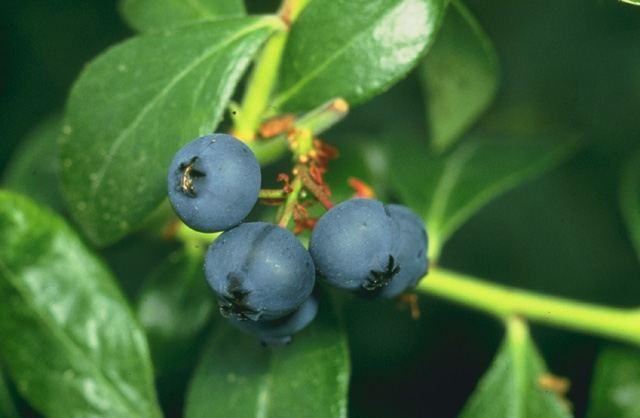
Blueberries (Southern Highbush)
Photo: The original Uploader was Oven Fresh at English Wikipedia · Public domain, via Wikimedia Commons

Blueberries (Southern Highbush)

#43Outlook: Good

Plant
Not given by the source; container trees are usually planted in the warm months — ask the nursery
Harvest
Not given by the source for Central Florida
Sun
At least 4–5 hours of full sun
Water
Steady water during flowering and fruiting once established
Best varieties
'Emerald', 'Jewel' (low-chill southern highbush)
  • SunNeeds: 4.5+ hrs/dayWe've had: collecting
  • Temp72–87°F this week

Southern highbush is the type for Central Florida. Plant two or more varieties of the same type for cross-pollination. Needs acidic soil (pH 4–5.5) high in organic matter — add peat or pine bark — with good drainage at least 18 in. deep.

Sources: UF/IFAS Gardening Solutions: Blueberries (Southern Highbush)

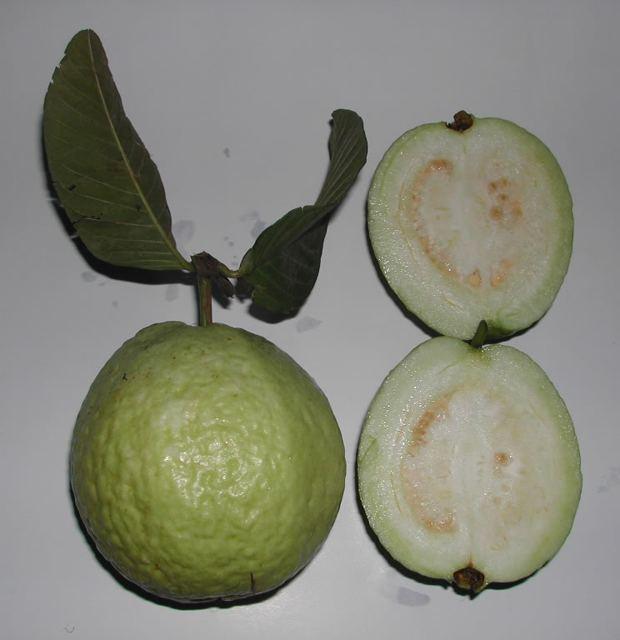
Guava
Photo: See file page · CC BY-SA 3.0, via Wikimedia Commons

Guava

#46Outlook: Good

Plant
Not given by the source; container trees are usually planted in the warm months — ask the nursery
Harvest
Main crop in summer, smaller crop in early spring
Sun
Not stated by the source
Water
Steady water during flowering and fruiting once established
Best varieties
Pink: 'Homestead', 'Barbi Pink', 'Blitch', 'Hong Kong Pink', 'Patillo'. White: 'Crystal', 'Lotus', 'Supreme', 'Webber'
  • SunNeeds: Not stated by the sourceWe've had: collecting
  • Temp72–87°F this week

Plant in the warmest part of the yard (low spots are coldest). Moderately tolerant of drought, wind and salt. Mature trees survive short freezes; prolonged cold or 25°F can damage them. Mulch 2–6 in. deep.

Sources: UF/IFAS Gardening Solutions: Guava

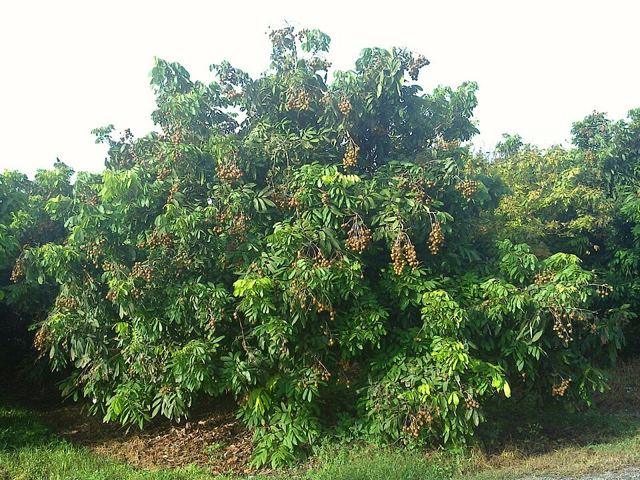
Longan
Photo: Pouletic · CC BY-SA 3.0, via Wikimedia Commons

Longan

#47Outlook: Good

Plant
Not given by the source; container trees are usually planted in the warm months — ask the nursery
Harvest
Mid-July to early September, peak August
Sun
Not stated by the source
Water
Steady water during flowering and fruiting once established
Best varieties
'Kohala' (most planted in Florida)
  • SunNeeds: Not stated by the sourceWe've had: collecting
  • Temp72–87°F this week

Taste for sweetness to judge ripeness; fruit won't ripen after picking. Keeps 5–7 days in the fridge.

Sources: UF/IFAS Gardening Solutions: Longan

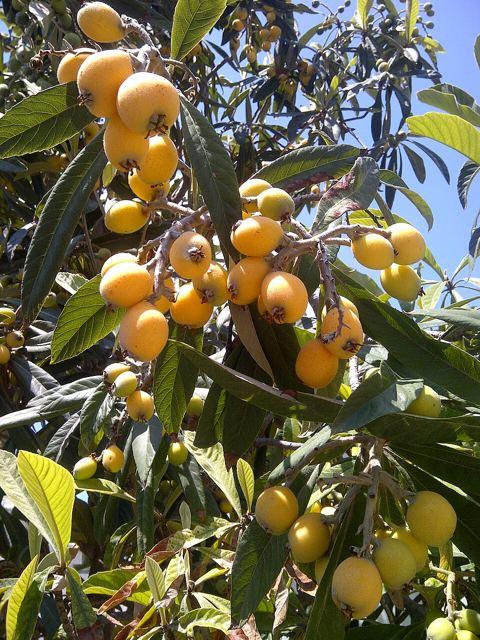
Loquat
Photo: Aftabbanoori · CC BY-SA 3.0, via Wikimedia Commons

Loquat

#48Outlook: Good

Plant
Not given by the source; container trees are usually planted in the warm months — ask the nursery
Harvest
Early spring
Sun
Full sun
Water
Steady water during flowering and fruiting once established
Best varieties
Numerous varieties with a range of flavors (none named by the source)
  • SunNeeds: 6+ hrs/dayWe've had: collecting
  • Temp72–87°F this week

Small tree (to 25 ft), good for tight yards. Grows well throughout Florida, drought tolerant, but fruit suffers without water. Flowers (Oct–Feb) and fruit can be hurt by freezes.

Sources: UF/IFAS Gardening Solutions: Loquat

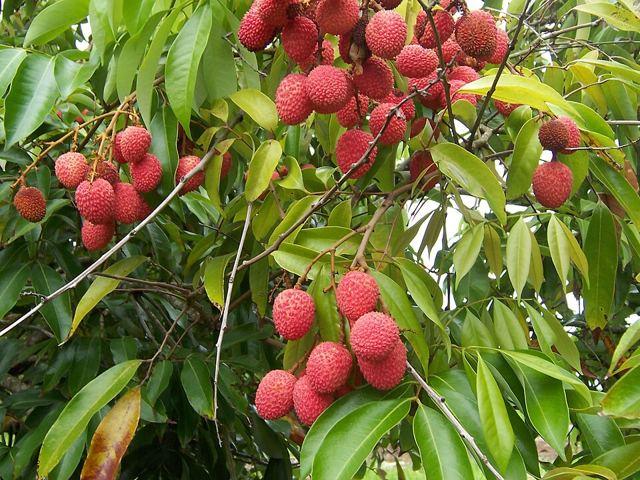
Lychee
Photo: B.navez · CC BY-SA 3.0, via Wikimedia Commons

Lychee

#49Outlook: Good

Plant
Not given by the source; container trees are usually planted in the warm months — ask the nursery
Harvest
May–July, most in June
Sun
Not stated by the source
Water
Steady water during flowering and fruiting once established
Best varieties
'Mauritius' (most popular), 'Brewster', 'Kwai May Pink', 'Emperor', 'Hak Ip', 'Sweet Cliff'
  • SunNeeds: Not stated by the sourceWe've had: collecting
  • Temp72–87°F this week

Zones 10A–11. Cannot survive salty conditions, so keep it away from salt spray. Water regularly from flowering through harvest. Prune right after harvest.

Sources: UF/IFAS Gardening Solutions: Lychee

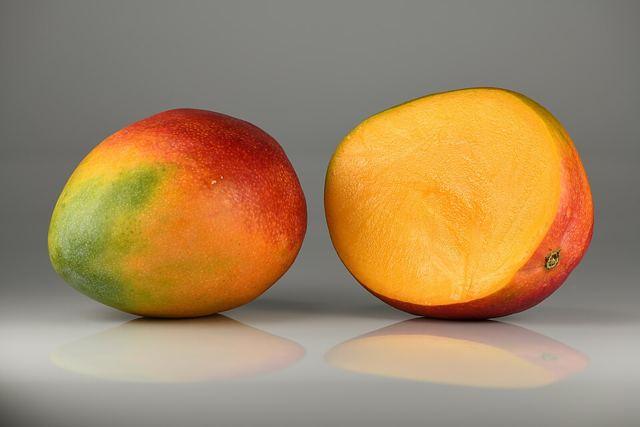
Mango
Photo: Ivar Leidus · CC BY-SA 4.0, via Wikimedia Commons

Mango

#50Outlook: Good

Plant
Not given by the source; container trees are usually planted in the warm months — ask the nursery
Harvest
May–September, peak June–July
Sun
Full sun
Water
Steady water during flowering and fruiting once established
Best varieties
'Pickering', 'Carrie', 'Coconut Cream', 'Sugarloaf', 'Nam Doc Mai', 'Orange Sherbert', 'Mallika', 'Maha Chanok', 'Keitt', 'Angie', 'Fairchild', 'Valencia Pride'
  • SunNeeds: 6+ hrs/dayWe've had: collecting
  • Temp72–87°F this week

Grows in USDA zones 10A–11, so Brevard is at the cool edge — pick a warm, protected spot. Buy a grafted tree (seedlings can take 10 years and give fibrous fruit). Leave 20–30 ft from buildings and power lines. Full sun, well-drained soil; water while establishing, then only in dry spells. Don't overfertilize.

Sources: UF/IFAS Gardening Solutions: Mango

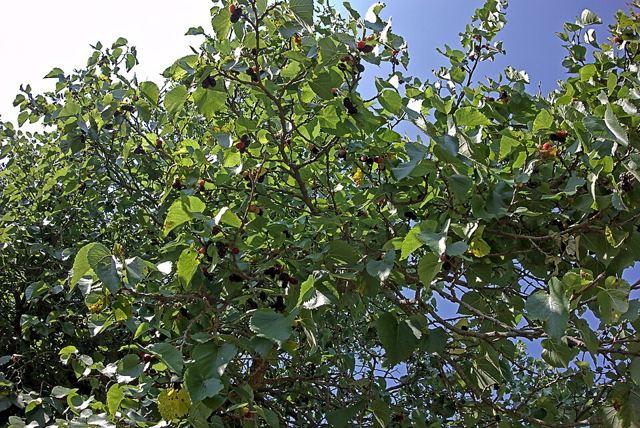
Mulberry
Photo: malenki · CC BY 3.0, via Wikimedia Commons

Mulberry

#51Outlook: Good

Plant
Not given by the source; container trees are usually planted in the warm months — ask the nursery
Harvest
Late spring or summer
Sun
Not stated by the source
Water
Steady water during flowering and fruiting once established
Best varieties
'Tehama', 'King White Pakistan' (light fruit, less mess)
  • SunNeeds: Not stated by the sourceWe've had: collecting
  • Temp72–87°F this week

Large tree (up to 60 ft) with some salt and wind tolerance. If you buy a type with separate male and female trees, plant both.

Sources: UF/IFAS Gardening Solutions: Mulberry

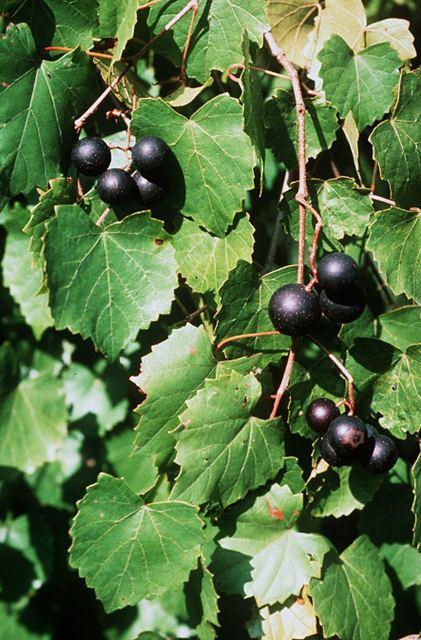
Muscadine Grapes
Photo: See file page · Public domain, via Wikimedia Commons

Muscadine Grapes

#52Outlook: Good

Plant
Not given by the source; container trees are usually planted in the warm months — ask the nursery
Harvest
July to late September, by variety
Sun
Not stated by the source
Water
Steady water during flowering and fruiting once established
Best varieties
Fresh eating: 'Black Beauty', 'Fry', 'Southern Home', 'Summit', 'Triumph'. Wine/jelly: 'Alachua', 'Carlos', 'Noble', 'Welder'
  • SunNeeds: Not stated by the sourceWe've had: collecting
  • Temp72–87°F this week

Choose self-fertile varieties. Avoid low-lying spots. Planting several varieties spreads out the harvest. Prune to keep vines manageable.

Sources: UF/IFAS Gardening Solutions: Muscadine Grapes

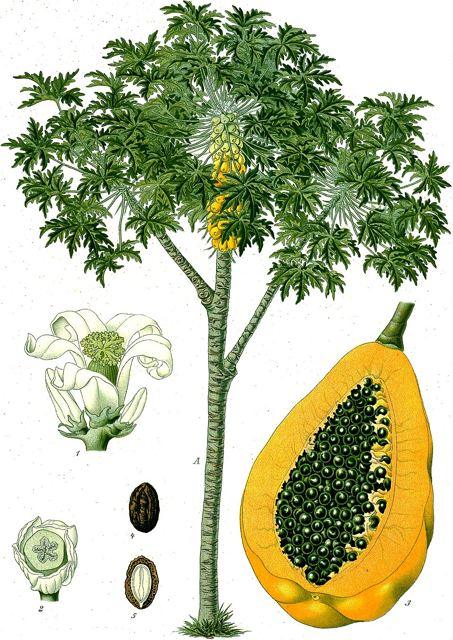
Papaya
Photo: Franz Eugen Köhler, Köhler's Medizinal-Pflanzen · Public domain, via Wikimedia Commons

Papaya

#54Outlook: Good

Plant
Not given by the source; container trees are usually planted in the warm months — ask the nursery
Harvest
Not given by the source
Sun
Not stated by the source
Water
Steady water during flowering and fruiting once established
Best varieties
'Red Lady', 'Maradol', 'Tainung No. 1'
  • SunNeeds: Not stated by the sourceWe've had: collecting
  • Temp72–87°F this week

Not cold tolerant; best in zones 9B–11, so expect a short life in a cold winter. Start with the largest plant you can, and plant two if starting from seed. Drought, high winds and salt spray reduce the harvest. Mound the soil where it floods.

Sources: UF/IFAS Gardening Solutions: Papaya

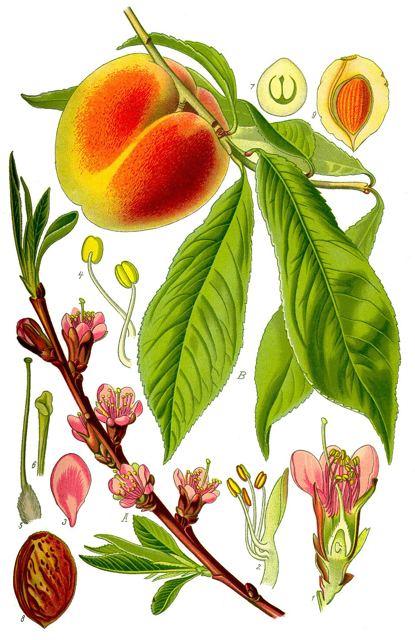
Peach (Low-Chill)
Photo: File:Illustration Prunus persica0.jpg: PLEASE COMPLETE AUTHOR INFORMATION derivative work: · Public domain, via Wikimedia Commons

Peach (Low-Chill)

#55Outlook: Good

Plant
Not given by the source; container trees are usually planted in the warm months — ask the nursery
Harvest
Not given by the source
Sun
Not stated by the source
Water
Steady water during flowering and fruiting once established
Best varieties
'UFGold' (about 200 chill hours), 'FloridaCrest' (350), 'FloridaDawn', 'UF2000'
  • SunNeeds: Not stated by the sourceWe've had: collecting
  • Temp72–87°F this week

Pick low-chill varieties: UF now suggests about 300 chill hours or fewer because Florida winters have had fewer. Chill hours are hours between 32°F and 45°F.

Sources: UF/IFAS Gardening Solutions: Peach (Low-Chill)

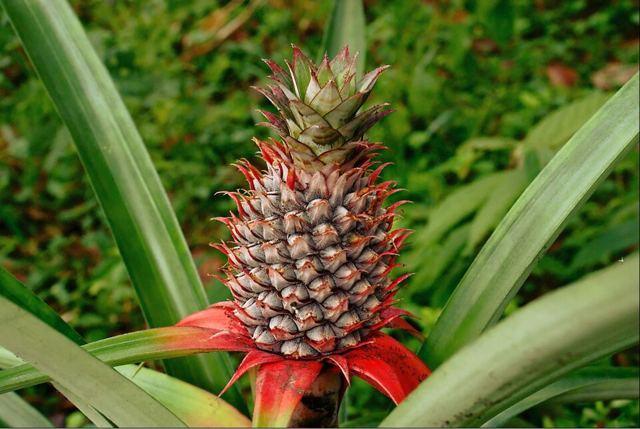
Pineapple
Photo: Suniltg at Malayalam Wikipedia · CC BY 3.0, via Wikimedia Commons

Pineapple

#56Outlook: Good

Plant
Not given by the source; container trees are usually planted in the warm months — ask the nursery
Harvest
Not given by the source
Sun
Not stated by the source
Water
Steady water during flowering and fruiting once established
Best varieties
'Del Monte Gold' (MD2), 'Tropical Gold', 'Smooth Cayenne', 'Red Spanish', 'Sugarloaf', 'Queen'
  • SunNeeds: Not stated by the sourceWe've had: collecting
  • Temp72–87°F this week

Plant a store-bought crown 3–4 in. deep, or a pup. Likes well-drained sandy loam; does well in 3–7 gallon pots. Water about weekly in sandy soil and mulch. Protect from frost or bring pots inside.

Sources: UF/IFAS Gardening Solutions: Pineapple

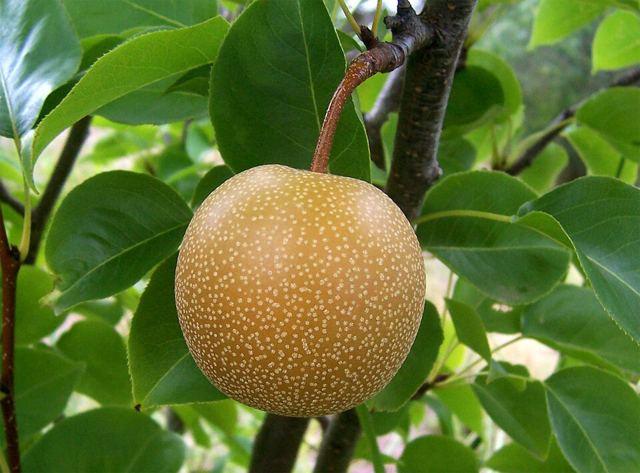
Sand Pear
Photo: See file page · CC BY-SA 3.0, via Wikimedia Commons

Sand Pear

#58Outlook: Good

Plant
Bare-root, late December–January
Harvest
Summer
Sun
Full sun to part shade
Water
Steady water during flowering and fruiting once established
Best varieties
Choose a variety listed for Florida (source doesn't name one) and check its cross-pollination needs
  • SunNeeds: Full sun to part shadeWe've had: collecting
  • Temp72–87°F this week

Zones 5–9. Full sun to part shade, well-drained soil, pH 6.0–6.5. In sandy soil, water lightly and often. Plant away from walkways (dropped fruit attracts yellowjackets).

Sources: UF/IFAS Gardening Solutions: Sand Pear

Hold Off 18

Out of season to plant, or a reading to watch

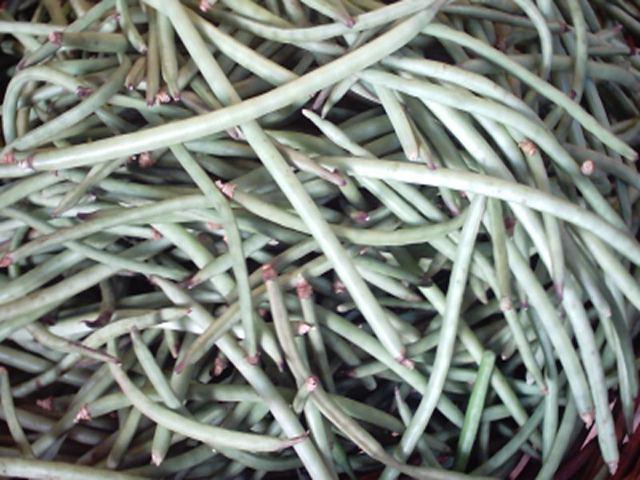
Bush Beans

#23Harvest seasonOutlook: Good

Plant
Feb–Apr, Aug–Sept
Harvest
Mar, Apr, May, Jun, Sep, Oct, Nov (estimate: planting month + 45–60 days)
Sun
Full sun: at least 6 hours of direct sun a day
Water
1–2 in. a week
Best varieties
Snap: Bush Blue Lake, Contender, Roma II, Provider, Cherokee Wax Shell: horticultural, pinto, red kidney, black bean, navy, garbanzo
  • SunNeeds: 6+ hrs/dayWe've had: collecting
  • WaterNeeds: 1–2 in./weekWe've had: 1.15 in. rain✓ Match
  • Temp72–87°F this week

Bush beans mature early and do not need staking. Fertilize at 1/2 the rate used for other vegetables; too much nitrogen limits production. Flowers self-pollinate. Plant rust-resistant varieties.

Sources: UF/IFAS Florida Vegetable Gardening Guide (VH021), Tables 1 and 2 (Central Florida) · UF/IFAS Efficient Irrigation for Edible Landscapes (EP617)
Cucumbers
Photo: Stephen Ausmus, USDA ARS · Public domain, via Wikimedia Commons

Cucumbers

#25Harvest seasonOutlook: Good

Plant
Jan–Mar, Sept
Harvest
Feb, Mar, Apr, May, Oct, Nov (estimate: planting month + 40–65 days)
Sun
Full sun: at least 6 hours of direct sun a day
Water
1–2 in. a week
Best varieties
Slicers: Sweet Success, Poinsett, Ashley, Market More 76, Straight Eight, Space Master Picklers: Eureka, Boston Pickling, Suyo Long
  • SunNeeds: 6+ hrs/dayWe've had: collecting
  • WaterNeeds: 1–2 in./weekWe've had: 1.15 in. rain✓ Match
  • Temp72–87°F this week

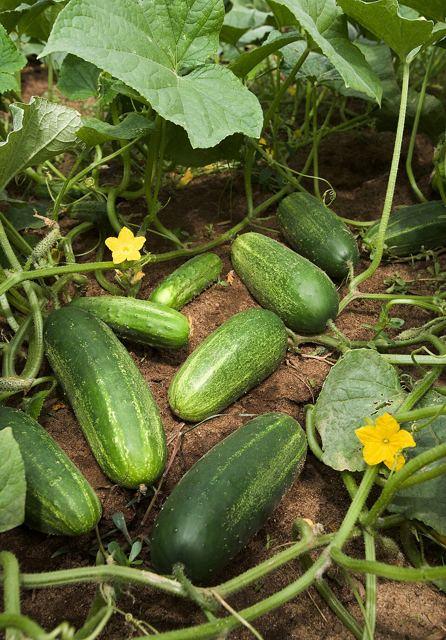
Two types: slicers and picklers. Pickling types can also be used fresh. Burpless varieties exist. Many hybrids are gynoecious (female flowering; only female flowers set fruit). Bees are required for pollination.

Sources: UF/IFAS Florida Vegetable Gardening Guide (VH021), Tables 1 and 2 (Central Florida) · UF/IFAS Efficient Irrigation for Edible Landscapes (EP617)
Eggplant
Photo: Joydeep · CC BY-SA 3.0, via Wikimedia Commons

Eggplant

#26Harvest seasonOutlook: Good

Plant
Jan–Feb, Aug–Sept
Harvest
Jan, Apr, May, Jun, Nov, Dec (estimate: planting month + 90–115 (70–90) days)
Sun
Full sun: at least 6 hours of direct sun a day
Water
1–2 in. a week
Best varieties
Black Beauty, Dusky, Long, Ichiban, Cloud Nine (white)
  • SunNeeds: 6+ hrs/dayWe've had: collecting
  • WaterNeeds: 1–2 in./weekWe've had: 1.15 in. rain✓ Match
  • Temp72–87°F this week

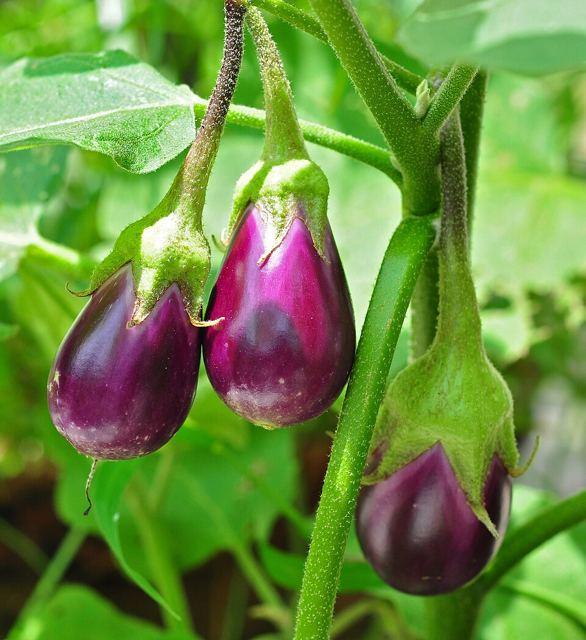
Requires warm soil and weather. Harvest into summer. May need staking. Bitter fruit is caused by high temperatures or drought conditions.

Sources: UF/IFAS Florida Vegetable Gardening Guide (VH021), Tables 1 and 2 (Central Florida) · UF/IFAS Efficient Irrigation for Edible Landscapes (EP617)
Lima Beans
Photo: Howard F. Schwartz, Colorado State University, Bugwood.org · CC BY 3.0, via Wikimedia Commons

Lima Beans

#29Harvest seasonOutlook: Good

Plant
Feb–Mar, Aug–Sept
Harvest
Apr, May, Jun, Oct, Nov, Dec (estimate: planting month + 60–80 days)
Sun
Full sun: at least 6 hours of direct sun a day
Water
1–2 in. a week
Best varieties
Fordhook 242, Henderson, Jackson Wonder, Dixie (Speckled) Butterpea, Early Thorogreen
  • SunNeeds: 6+ hrs/dayWe've had: collecting
  • WaterNeeds: 1–2 in./weekWe've had: 1.15 in. rain✓ Match
  • Temp72–87°F this week

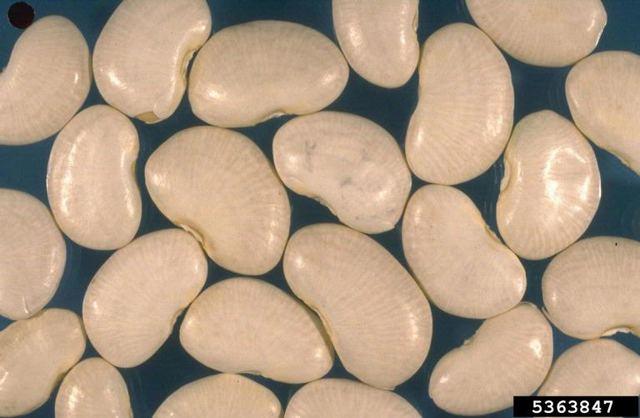
Pole and bush-types exist; provide trellis support for pole-type varieties. Control stinkbugs that injure pods. Fertilize at ½ the rate used for other vegetables; too much nitrogen limits production. Slightly more heat tolerant than bush or pole beans. Plant rust-resistant varieties.

Sources: UF/IFAS Florida Vegetable Gardening Guide (VH021), Tables 1 and 2 (Central Florida) · UF/IFAS Efficient Irrigation for Edible Landscapes (EP617)
Peppers
Photo: Kham Tran - www.khamtran.com · CC BY-SA 3.0, via Wikimedia Commons

Peppers

#30Harvest seasonOutlook: Good

Plant
Jan–Mar, Aug–Sept
Harvest
Apr, May, Jun, Nov, Dec (estimate: planting month + 90–100 (65–75) days)
Sun
Full sun: at least 6 hours of direct sun a day
Water
1–2 in. a week
Best varieties
Sweet: California Wonder, Red Knight, Big Bertha, Sweet Banana, Giant Marconi, Cubanelle Hot: Early Jalapeno, Jalapeno M; Cherry Bomb, Hungarian Hot Wax, Big Chile II, Mariachi, Numex, Ancho, Thai, Anaheim Chile, Long Cayenne, Habanero, Caribbean Red Habanero
  • SunNeeds: 6+ hrs/dayWe've had: collecting
  • WaterNeeds: 1–2 in./weekWe've had: 1.15 in. rain✓ Match
  • Temp72–87°F this week

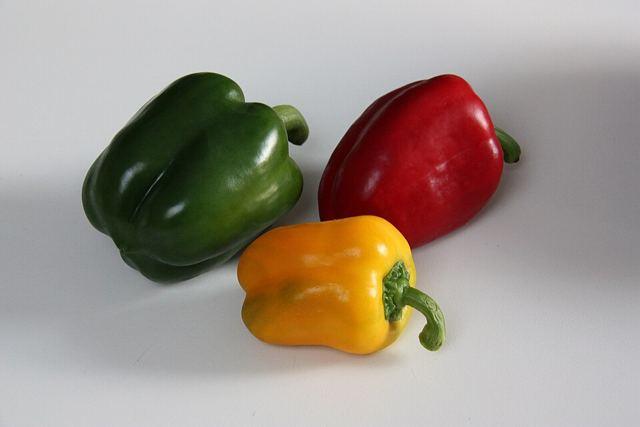
Transplants are often more successful than seeds. Mulching is especially beneficial. Will often produce into summer. Pepper "heat" depends on variety and is measured in Scoville units.

Sources: UF/IFAS Florida Vegetable Gardening Guide (VH021), Tables 1 and 2 (Central Florida) · UF/IFAS Efficient Irrigation for Edible Landscapes (EP617)
Pole Beans

#32Harvest seasonOutlook: Good

Plant
Feb–Apr, Aug–Sept
Harvest
Apr, May, Jun, Oct, Nov (estimate: planting month + 50–70 days)
Sun
Full sun: at least 6 hours of direct sun a day
Water
1–2 in. a week
Best varieties
McCaslan, Kentucky Wonder, Blue Lake, Rattlesnake
  • SunNeeds: 6+ hrs/dayWe've had: collecting
  • WaterNeeds: 1–2 in./weekWe've had: 1.15 in. rain✓ Match
  • Temp72–87°F this week

Fertilize at ½ the rate used for other vegetables; too much nitrogen limits production. Support vines. May be grown with corn for vine support. Plant rust-resistant varieties.

Sources: UF/IFAS Florida Vegetable Gardening Guide (VH021), Tables 1 and 2 (Central Florida) · UF/IFAS Efficient Irrigation for Edible Landscapes (EP617)
Southern Peas
Photo: HeraldDesa at English Wikipedia · CC BY-SA 3.0, via Wikimedia Commons

Southern Peas

#34Harvest seasonOutlook: Good

Plant
Feb–Aug
Harvest
Apr, May, Jun, Jul, Aug, Sep, Oct, Nov (estimate: planting month + 75–90 days)
Sun
Full sun: at least 6 hours of direct sun a day
Water
1–2 in. a week
Best varieties
California Blackeye No.5, Pinkeye Purple Hull, Texas Cream
  • SunNeeds: 6+ hrs/dayWe've had: collecting
  • WaterNeeds: 1–2 in./weekWe've had: 1.15 in. rain✓ Match
  • Temp72–87°F this week

Highly nutritious. Fertilize at ½ rate used for other vegetables; too much nitrogen limits production. Good summer cover crop. Cowpea curculio is a common pest. Maintain consistent soil moisture.

Sources: UF/IFAS Florida Vegetable Gardening Guide (VH021), Tables 1 and 2 (Central Florida) · UF/IFAS Efficient Irrigation for Edible Landscapes (EP617)
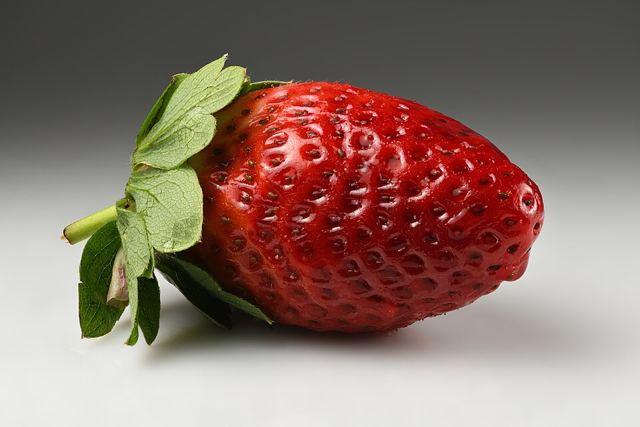
Strawberries
Photo: Ivar Leidus · CC BY-SA 4.0, via Wikimedia Commons

Strawberries

#36Harvest seasonOutlook: Good

Plant
Sept 25 – Oct 25
Harvest
Oct, Nov, Dec (estimate: planting month + (30–60) days)
Sun
Full sun: at least 6 hours of direct sun a day
Water
1–2 in. a week
Best varieties
North Florida: Camarosa, Encore Central and South Florida: Sweet Sensation, Medallion, Brilliance, Ember, and Encore
  • SunNeeds: 6+ hrs/dayWe've had: collecting
  • WaterNeeds: 1–2 in./weekWe've had: 1.15 in. rain✓ Match
  • Temp72–87°F this week

Grown as an annual crop in Florida starting with disease-free plants in the fall. Plant only varieties adapted to Florida.

Sources: UF/IFAS Florida Vegetable Gardening Guide (VH021), Tables 1 and 2 (Central Florida) · UF/IFAS Efficient Irrigation for Edible Landscapes (EP617)
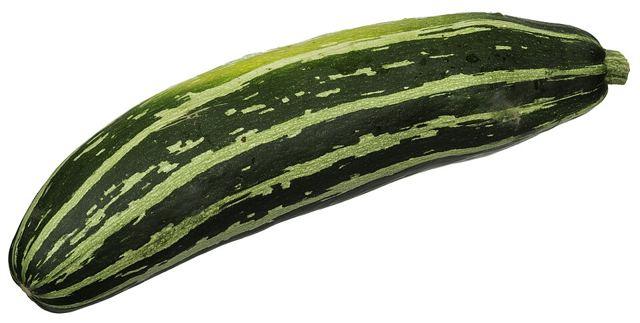
Summer Squash & Zucchini
Photo: Evan-Amos · Public domain, via Wikimedia Commons

Summer Squash & Zucchini

#37Harvest seasonOutlook: Good

Plant
Jan–Apr, Aug–Sept
Harvest
Feb, Mar, Apr, May, Jun, Sep, Oct, Nov (estimate: planting month + 40–50 days)
Sun
Full sun: at least 6 hours of direct sun a day
Water
1–2 in. a week
Best varieties
Summer: Early Prolific Straightneck, Summer Crookneck, Early White Scallop, Chayote Zucchini: Cocozelle, Spineless Beauty, Black Beauty, Chayote, Calabaza Winter: spaghetti, Table King, Table Queen & Table Ace (Acorn), Waltham, Early Butternut (butternut)
  • SunNeeds: 6+ hrs/dayWe've had: collecting
  • WaterNeeds: 1–2 in./weekWe've had: 1.15 in. rain✓ Match
  • Temp72–87°F this week

Summer squash and zucchini are usually bush types; winter squash have a spreading, vining habit. Chayote is a vine that needs support. All cucurbits have male and and female flowers separated on the plant and pollination by insects is required for fruit set. Crossing between types occurs but is only evident when seeds are saved and planted. Leaf and fruit diseases are common. Winter types store well.

Sources: UF/IFAS Florida Vegetable Gardening Guide (VH021), Tables 1 and 2 (Central Florida) · UF/IFAS Efficient Irrigation for Edible Landscapes (EP617)
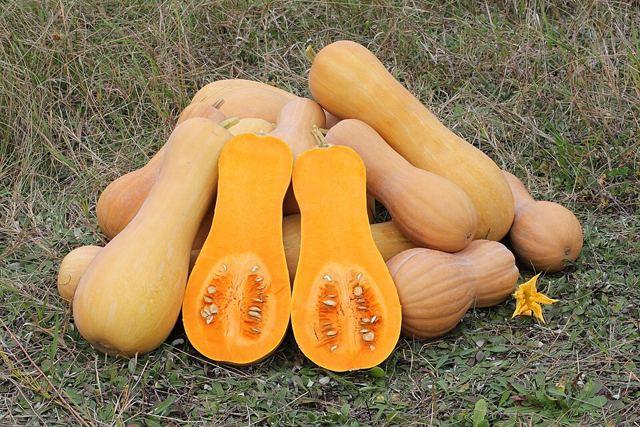
Winter Squash
Photo: George Chernilevsky · Public domain, via Wikimedia Commons

Winter Squash

#38Harvest seasonOutlook: Good

Plant
Jan–Apr, Aug–Sept
Harvest
Jan, Apr, May, Jun, Jul, Aug, Nov, Dec (estimate: planting month + 85–120 days)
Sun
Full sun: at least 6 hours of direct sun a day
Water
1–2 in. a week
Best varieties
Summer: Early Prolific Straightneck, Summer Crookneck, Early White Scallop, Chayote Zucchini: Cocozelle, Spineless Beauty, Black Beauty, Chayote, Calabaza Winter: spaghetti, Table King, Table Queen & Table Ace (Acorn), Waltham, Early Butternut (butternut)
  • SunNeeds: 6+ hrs/dayWe've had: collecting
  • WaterNeeds: 1–2 in./weekWe've had: 1.15 in. rain✓ Match
  • Temp72–87°F this week

Summer squash and zucchini are usually bush types; winter squash have a spreading, vining habit. Chayote is a vine that needs support. All cucurbits have male and and female flowers separated on the plant and pollination by insects is required for fruit set. Crossing between types occurs but is only evident when seeds are saved and planted. Leaf and fruit diseases are common. Winter types store well.

Sources: UF/IFAS Florida Vegetable Gardening Guide (VH021), Tables 1 and 2 (Central Florida) · UF/IFAS Efficient Irrigation for Edible Landscapes (EP617)
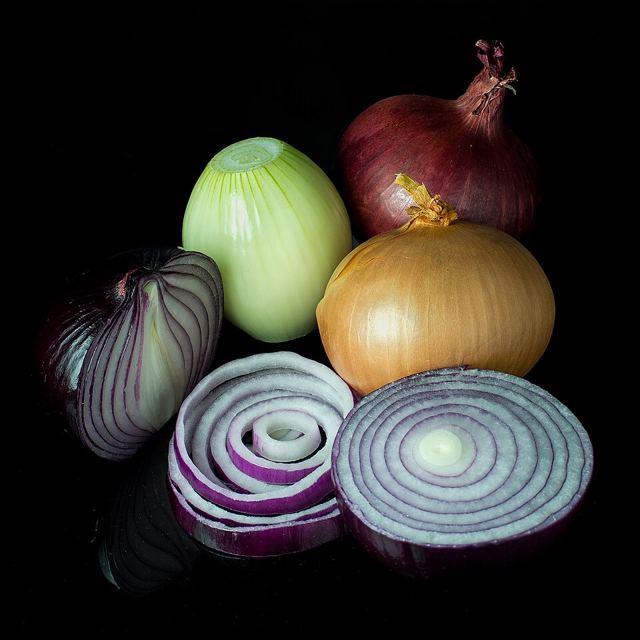
Bulb Onions
Photo: Colin · CC BY-SA 3.0, via Wikimedia Commons

Bulb Onions

#44Outlook: Good

Plant
Oct
Harvest
Jan, Feb (estimate: planting month + 100–130 days)
Sun
Full sun: at least 6 hours of direct sun a day
Water
1–2 in. a week
Best varieties
Bulbing: Granex (yellow) Green: Evergreen Bunching, White Lisbon Bunching Multipliers: Shallots Leeks: American Flag
  • SunNeeds: 6+ hrs/dayWe've had: collecting
  • WaterNeeds: 1–2 in./weekWe've had: 1.15 in. rain✓ Match
  • Temp72–87°F this week

Depending on type, onions may be grown from seed, sets, transplants, or division. Bulbing onions must be planted in fall and be short-day varieties. Green/bunching onions may be grown fall through spring. Plant close and harvest (thin) as needed. Insert sets upright for straight stems. Divide and reset multiplier types every year.

Sources: UF/IFAS Florida Vegetable Gardening Guide (VH021), Tables 1 and 2 (Central Florida) · UF/IFAS Efficient Irrigation for Edible Landscapes (EP617)
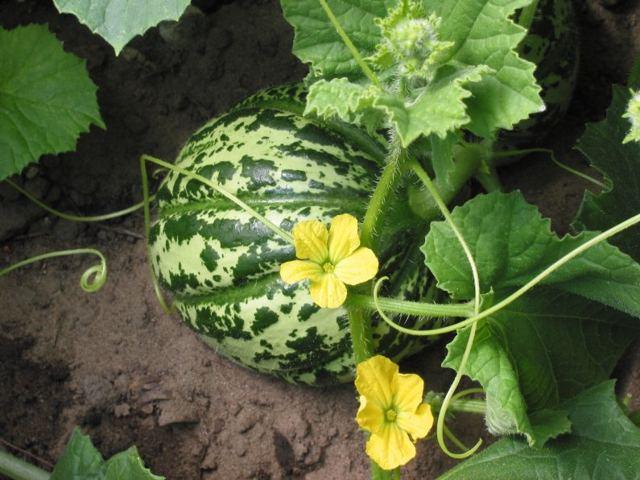
Cantaloupe & Honeydew
Photo: Rasbak at Dutch Wikipedia · CC BY-SA 3.0, via Wikimedia Commons

Cantaloupe & Honeydew

#45Outlook: Good

Plant
Jan–Mar
Harvest
Apr, May, Jun, Jul (estimate: planting month + 85–110 (70–90) days)
Sun
Full sun: at least 6 hours of direct sun a day
Water
1–2 in. a week
Best varieties
Athena, Ambrosia, Galia (green flesh)
  • SunNeeds: 6+ hrs/dayWe've had: collecting
  • WaterNeeds: 1–2 in./weekWe've had: 1.15 in. rain✓ Match
  • Temp72–87°F this week

Bees needed for pollination. Disease prone. Mulch to reduce fruit-rot and salmonella. Overwatering or heavy rainfall reduces sugar content of maturing fruit. Harvest when the fruit cleanly separates from the vine with light pressure.

Sources: UF/IFAS Florida Vegetable Gardening Guide (VH021), Tables 1 and 2 (Central Florida) · UF/IFAS Efficient Irrigation for Edible Landscapes (EP617)
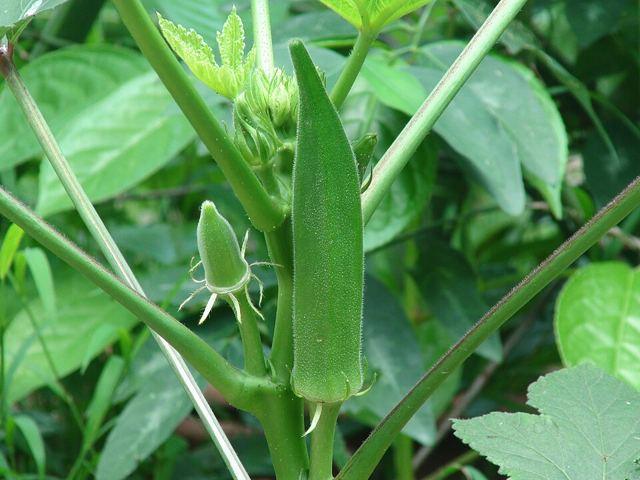
Okra
Photo: Earth100 · CC BY-SA 3.0, via Wikimedia Commons

Okra

#53Outlook: Good

Plant
Feb–Aug
Harvest
Apr, May, Jun, Jul, Aug, Sep, Oct (estimate: planting month + 60–70 days)
Sun
Full sun: at least 6 hours of direct sun a day
Water
1–2 in. a week
Best varieties
Clemson Spineless, Emerald, Annie Oakley II, Cajun Delight
  • SunNeeds: 6+ hrs/dayWe've had: collecting
  • WaterNeeds: 1–2 in./weekWe've had: 1.15 in. rain✓ Match
  • Temp72–87°F this week

Soak seeds in water for 6 hours for better germination. Requires warm soil and temperatures. Very heat tolerant. Highly susceptible to root-knot nematodes. Harvest pods a few days after flower petals have fallen. or pods will become tough and stringy.

Sources: UF/IFAS Florida Vegetable Gardening Guide (VH021), Tables 1 and 2 (Central Florida) · UF/IFAS Efficient Irrigation for Edible Landscapes (EP617)
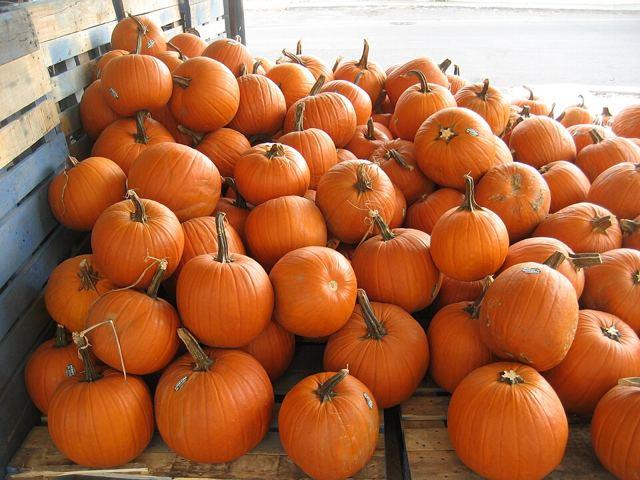
Pumpkin
Photo: Infrogmation of New Orleans · CC BY-SA 3.0, via Wikimedia Commons

Pumpkin

#57Outlook: Good

Plant
Mid July
Harvest
Oct (estimate: planting month + 80–100 (70–90) days)
Sun
Full sun: at least 6 hours of direct sun a day
Water
1–2 in. a week
Best varieties
Big Max, Connecticut Field, Prizewinner, Jack Be Little, Jack O Lantern, Tropical Pumpkins: Calabaza, Seminole, Moranga
  • SunNeeds: 6+ hrs/dayWe've had: collecting
  • WaterNeeds: 1–2 in./weekWe've had: 1.15 in. rain✓ Match
  • Temp72–87°F this week

Requires a lot of space but can be grown under taller vegetables. Bees required for pollination. Foliage diseases and fruit-rot are common, although tropical pumpkins are disease resistant.

Sources: UF/IFAS Florida Vegetable Gardening Guide (VH021), Tables 1 and 2 (Central Florida) · UF/IFAS Efficient Irrigation for Edible Landscapes (EP617)
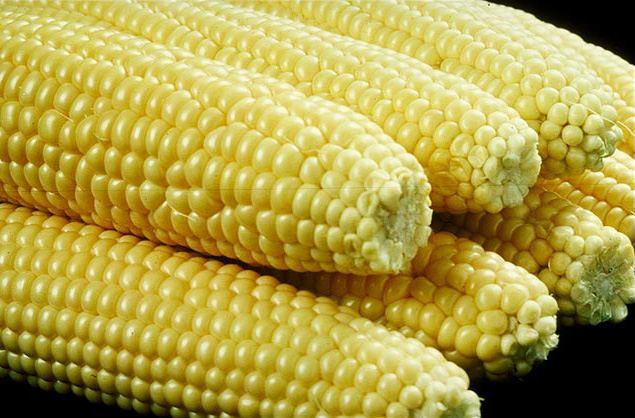
Sweet Corn
Photo: The original Uploader was wstoakLL at English Wikipedia · Public domain, via Wikimedia Commons

Sweet Corn

#59Outlook: Good

Plant
Jan–Apr
Harvest
Mar, Apr, May, Jun, Jul (estimate: planting month + 65–90 days)
Sun
Full sun: at least 6 hours of direct sun a day
Water
1–2 in. a week
Best varieties
Silver Queen (white), How Sweet It Is (white), Sweet Ice (white), Sweet Riser (yellow), Early Sunglow (yellow)
  • SunNeeds: 6+ hrs/dayWe've had: collecting
  • WaterNeeds: 1–2 in./weekWe've had: 1.15 in. rain✓ Match
  • Temp72–87°F this week

Requires space; plant in blocks of at least 3 rows for good pollination. Isolate different varieties by cross-pollination. Plant where it will not shade other vegetables. Sucker removal is not beneficial. Harvesting in the early morning maintains sugar content. Scout for corn earworm.

Sources: UF/IFAS Florida Vegetable Gardening Guide (VH021), Tables 1 and 2 (Central Florida) · UF/IFAS Efficient Irrigation for Edible Landscapes (EP617)
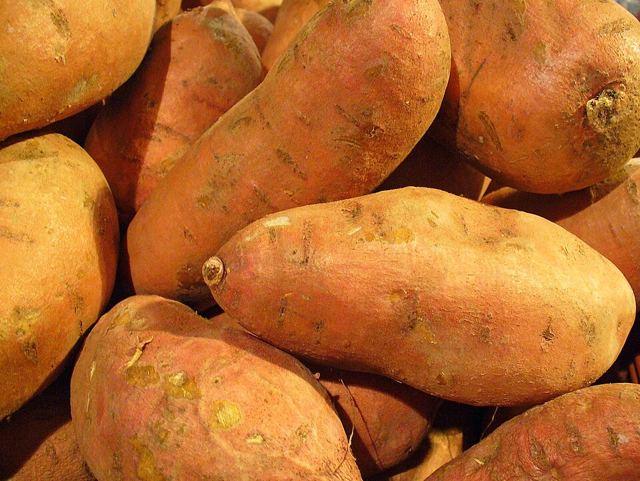
Sweet Potatoes
Photo: Llez · CC BY-SA 3.0, via Wikimedia Commons

Sweet Potatoes

#60Outlook: Good

Plant
Feb–Jun
Harvest
May, Jun, Jul, Aug, Sep, Oct (estimate: planting month + 85–130 days)
Sun
Full sun: at least 6 hours of direct sun a day
Water
1–2 in. a week
Best varieties
Centennial, Beauregard, Vardaman, Boniato, Porto Rico
  • SunNeeds: 6+ hrs/dayWe've had: collecting
  • WaterNeeds: 1–2 in./weekWe've had: 1.15 in. rain✓ Match
  • Temp72–87°F this week

Start with certified-free transplants (slips). Use vine tip cuttings for a second crop and prolonged harvest season. Types: moist-flesh (yams) and dry-flesh (e.g., boniata). Bush types conserve garden space. Sweet potato weevils are a serious problem; rotate the planting site.

Sources: UF/IFAS Florida Vegetable Gardening Guide (VH021), Tables 1 and 2 (Central Florida) · UF/IFAS Efficient Irrigation for Edible Landscapes (EP617)
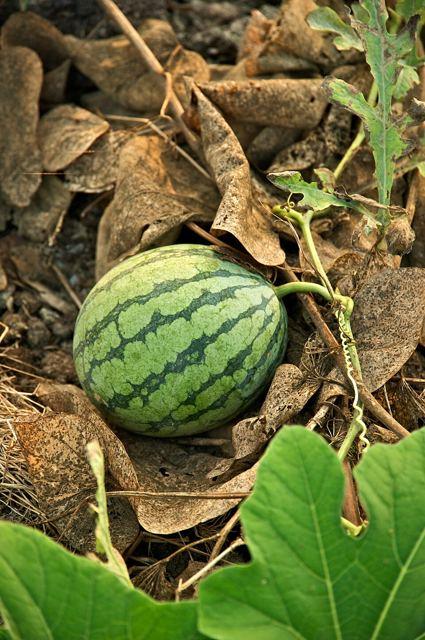
Watermelon
Photo: Fred Hsu (Wikipedia:User:Fred Hsu on en.wikipedia) · CC BY-SA 3.0, via Wikimedia Commons

Watermelon

#61Outlook: Good

Plant
Jan–Mar
Harvest
Apr, May, Jun (estimate: planting month + 80–100 (60–90) days)
Sun
Full sun: at least 6 hours of direct sun a day
Water
1–2 in. a week
Best varieties
Large: Jubilee (aka FL Giant), Crimson Sweet, Charleston Grey 133 Small: Sugar Baby, Mickeylee
  • SunNeeds: 6+ hrs/dayWe've had: collecting
  • WaterNeeds: 1–2 in./weekWe've had: 1.15 in. rain✓ Match
  • Temp72–87°F this week

Vines require lots of space. Smaller "ice-box" types exist. Plant disease resistant varieties. Bees required for pollination. "Seedless" types must be interplanted with regular types to dependably bear fruit. Harvest when the melon underside begins to turn yellow or when fruit tendril shrivels.

Sources: UF/IFAS Florida Vegetable Gardening Guide (VH021), Tables 1 and 2 (Central Florida) · UF/IFAS Efficient Irrigation for Edible Landscapes (EP617)
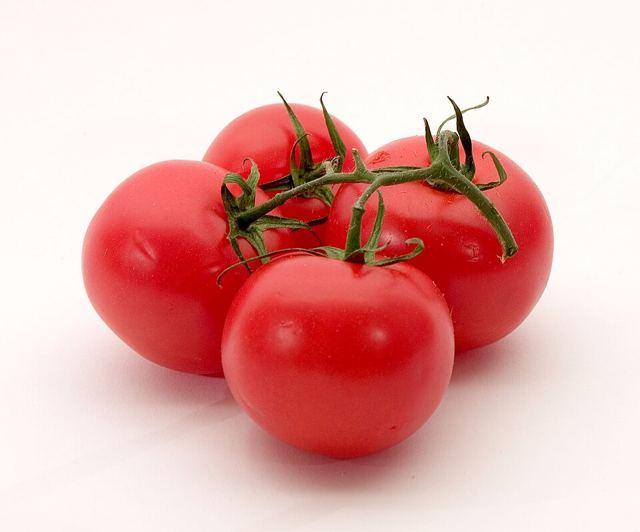
Tomatoes
Photo: Softeis · CC BY-SA 3.0, via Wikimedia Commons

Tomatoes

#62Harvest seasonOutlook: Watch⚠ 1 reading to watch

⚠ 7 nights above 70°F this week. UF/IFAS says this can make tomatoes drop blossoms, which may lower yields. (UF/IFAS Blossom Drop in Tomato (HS1195))

Plant
Jan–Feb, Aug–Sept
Harvest
Jan, Apr, May, Jun, Nov, Dec (estimate: planting month + 90–110 (70–90) days)
Sun
Full sun: at least 6 hours of direct sun a day
Water
1–2 in. a week
Best varieties
Large Fruit: Celebrity, Heat Wave II, Better Boy, Better Bush, Beefmaster, BHN444-Southern Star*, Amelia*, BHN 640*, Tasti-Lee™, BHN 685*, BHN 602*, Bella Rosa*, Quincy*, Volante* Small Fruit: Sweet 100, Juliet, Red Grape, Sun Gold, Sugar Snack, Sweet Baby Girl Heirloom: Green Zebra, Cherokee Purple, Eva Purple Ball, Brandywine, Mortgage Lifter, Delicious
  • SunNeeds: 6+ hrs/dayWe've had: collecting
  • WaterNeeds: 1–2 in./weekWe've had: 1.15 in. rain✓ Match
  • Temp72–87°F this week

Staking/supporting and mulching are beneficial. Flowers self-pollinate. Blossom drop is usually due to too high or too low temperatures and/or excessive nitrogen fertilization. Serious problems include blossom-end rot, wilts, whitefly, and leafminers. Cherry types are heat resistant *Resistant to TSWV (Tomato Spotted Wilt Virus)

Sources: UF/IFAS Florida Vegetable Gardening Guide (VH021), Tables 1 and 2 (Central Florida) · UF/IFAS Efficient Irrigation for Edible Landscapes (EP617) · UF/IFAS Blossom Drop in Tomato (HS1195)
Planting Calendar

Vegetables, Central Florida dates from UF/IFAS Florida Vegetable Gardening Guide (VH021). P plant · H estimated harvest. This month is highlighted.

CropJanFebMarAprMayJunJulAugSepOctNovDec
ArugulaP HP HP HHHPP HP HP H
Bush BeansPP HP HHHPP HHH
Pole BeansPPP HHHPPHH
Lima BeansPPHHHPPHHH
BeetsP HP HHHPPP HP H
BroccoliP HP HHHHPPP HP H
Brussels SproutsP HP HHHHHPPPP H
CabbageP HP HHHHHPPPP H
Cantaloupe & HoneydewPPPHHHH
CarrotsP HP HP HHHHHPPP HP HP H
CauliflowerP HP HHHHPPP HP H
CeleryP HP HP HHHHPPP HP H
Chinese Cabbage & Bok ChoyP HP HP HP HHHHPPP HP H
CollardsP HP HHHHPPP HP H
Sweet CornPPP HP HHHH
CucumbersPP HP HHHPHH
EggplantP HPHHHPPHH
KaleP HP HHHPPP HP H
KohlrabiP HP HP HHHHPPP H
LettuceP HP HHHHPPP HP H
Mustard GreensP HP HHHPP HP HP H
OkraPPP HP HP HP HP HHH
Bulb OnionsHHP
Green Onions & ShallotsP HP HP HHHPPP HP HP H
Snow & English PeasP HP HHHHPP
Southern PeasPPP HP HP HP HP HHHH
PeppersPPPHHHPPHH
PotatoesPP HHHHHPP
Sweet PotatoesPPPP HP HHHHH
PumpkinPH
RadishP HP HP HHPP HP HP H
SpinachP HP HP HHHPP HP HP H
Summer Squash & ZucchiniPP HP HP HHHPP HHH
Winter SquashP HPPP HHHHP HPHH
StrawberriesPP HHH
Swiss ChardP HP HP HP HP HHHPP HP HP H
TomatoesP HPHHHPPHH
TurnipsP HP HHHPP HP HP H
WatermelonPPPHHH

Brevard Growing Tips

Sun

Put the vegetable garden where it gets at least six hours of direct sun a day. Coastal sites are suitable.

UF/IFAS VH021

Sandy Soil & Watering

Vegetables need about 1–2 inches of water a week. Water when the top 1–2 inches of soil are dry, early in the morning. In sandy soil, half an inch of water wets about six inches deep; mulch helps it last.

UF/IFAS Gardening Solutions: Watering the Vegetable Garden

Nematodes

Root-knot nematodes are common in Florida sand. Solarize soil under clear plastic during the hottest six weeks of summer, and rotate crop families each season.

UF/IFAS VH021

Salt Spray

Close to the beach, pick salt-tolerant fruit: pineapple guava tolerates salt spray, and guava and mulberry have some tolerance. Lychee, star fruit and atemoya do not tolerate salt.

UF/IFAS Gardening Solutions fruit pages

Heat

Summer heat makes arugula, lettuce and radishes bitter, and tomatoes drop blossoms when days run above 85°F or nights above 70°F. Heat-tolerant picks for summer include okra, southern peas, sweet potatoes and cherry tomatoes.

UF/IFAS VH021 and HS1195

Frost & Freezes

Frosts and freezes happen now and then in Central Florida. Cover tender plants (and strawberry flowers) with a light blanket when a freeze is forecast.

UF/IFAS VH021 and Gardening Solutions

Wind & Storms

Strong winds can break avocado limbs and cut papaya harvests. Keeping star fruit pruned to 12 feet or less helps it handle wind.

UF/IFAS Gardening Solutions fruit pages

Buy Certified

Buy citrus only as certified trees from state-registered nurseries, and avocados only from registered nurseries.

UF/IFAS Gardening Solutions: Citrus

Where to Buy Plants in Brevard

Checked 2026-10-31. Hours and sale dates change, so check the link before you go.

UF/IFAS Extension Brevard County: Brevard Discovery Garden Plant Sales

3695 Lake Dr.

Native and Florida-Friendly plants grown by Master Gardener volunteers, sold at twice-a-year festivals. Next: Garden Marketplace, Sat., Nov. 14, 2026, 9 a.m.–noon (cash or check).

Source: UF/IFAS Brevard · Eventbrite listing

UF/IFAS Extension Brevard County Farmers Market

3695 Lake Dr.

Thursdays, 3–6 p.m.

Source: UF/IFAS Brevard

Brevard Tropical Fruit Club Annual Tree Sale

The club says its sale has 3,000+ trees and growing advice. The 2026 sale was Sat., April 25; watch the site for the next date.

Source: Club website

Rockledge Gardens

Fruit trees including citrus, mangoes, avocados, bananas, guavas, blueberries, grapes and peaches, plus vegetable and herb plants. Open daily 9 a.m.–5 p.m.

Source: Rockledge Gardens website

Emerald Island Garden Center

3600 N. Highway 1

Herb and vegetable plants. Open Mon–Fri 8–5, Sat 9–5, Sun 10–3.

Source: Emerald Island website

Hise Farms (A Green Marketplace)

3910 N. US 1

Heirloom vegetable and herb plants, edible landscape plants and Florida native plants. Open Wed, Fri and Sat, 10 a.m.–5 p.m.

Source: Hise Farms website

Big-box home and garden stores in Brevard also sell seasonal vegetable transplants, seeds and some fruit trees.

Crop facts come from UF/IFAS Extension; each card links its source. The outlook is our own estimate from our instruments and is not a guarantee of any harvest. Photos are from Wikimedia Commons under the license shown on each photo.