Photos and video: A nearly full moon over Brevard on Sunday evening
The moon was 95% illuminated Sunday, according to the U.S. Naval Observatory. The next full moon, which NASA calls a supermoon, is Tuesday morning.
Written with AI assistance, with sources linked below.
Local Weather
Measured on Brevard's beachside by our own weather station
- Wind
- 1 mph NE, gusts 4 mph
- Rain today
- 0.02 in
- Humidity
- 92%
- Pressure
- 30.07 inHg → steady
Updated 9:39 PM ET
Our station's outlook (based on local readings, not an official forecast)
Flood Warning in effect: rain on radar near Brevard now. NWS Melbourne, until Wed 12:00 PM ET.
Based on readings to 9:39 PM ET. Rules: 3- and 12-hour pressure change, wind shift and humidity/dew point trend. For official forecasts and warnings see the National Weather Service in Melbourne.
Sun
Sunrise 6:52 AM · Sunset 5:28 PM
Moon
Full Moon, 100% lit
Sun and moon times are calculated on our server for Brevard's beachside. Daily weather log, records and forecast →
A Space Coast Wire affiliate photographed and recorded a nearly full, waxing gibbous moon over Brevard County on Sunday evening, Nov. 22.
The U.S. Naval Observatory listed the moon on Sunday as a waxing gibbous, 95% illuminated. For a general point in Brevard County, the Observatory's rise and set data put moonrise at 3:45 p.m. EST and sunset at 5:27 p.m. EST. At 7:20 p.m. EST, the same office placed the moon about 45 degrees above the horizon, almost due east.
NASA's Jet Propulsion Laboratory Horizons system put the moon about 366,466 kilometers, or about 227,711 miles, from Earth at 7:20 p.m. EST. That is closer than the moon's average distance of 384,400 kilometers, the semi-major axis listed in the same Horizons data.
The photos show a nearly full disk, lit on the right, with a narrow unlit strip on the left. In the lower right, a bright crater and a wide spray of light streaks stand out. That crater is Tycho, in the moon's southern highlands, and the streaks are its ray system, material thrown out by the impact that formed the crater and still bright enough to see, according to NASA. Those bright patches are reflected sunlight on that rayed debris, not light coming from inside the moon.
When to look for Tuesday's full moon
The next primary phase is full moon, at 9:53 a.m. EST on Tuesday, Nov. 24, according to the U.S. Naval Observatory. For a general point in Brevard County, the Observatory's rise and set data for Nov. 24 put moonset at 6:55 a.m. EST, before the official full moment, and moonrise at 5:24 p.m. EST, with sunset at 5:27 p.m. EST.
NASA, which calls Tuesday's full moon a supermoon, the first of three in a row, says to look east around sunset to watch it rise. NASA also notes that the moon may look even bigger near the horizon, an effect it calls the moon illusion, common with any full moon.
The last full moon was at 12:12 a.m. EDT on Monday, Oct. 26, according to the U.S. Naval Observatory.
Photos 5
Tap a photo to enlarge it.
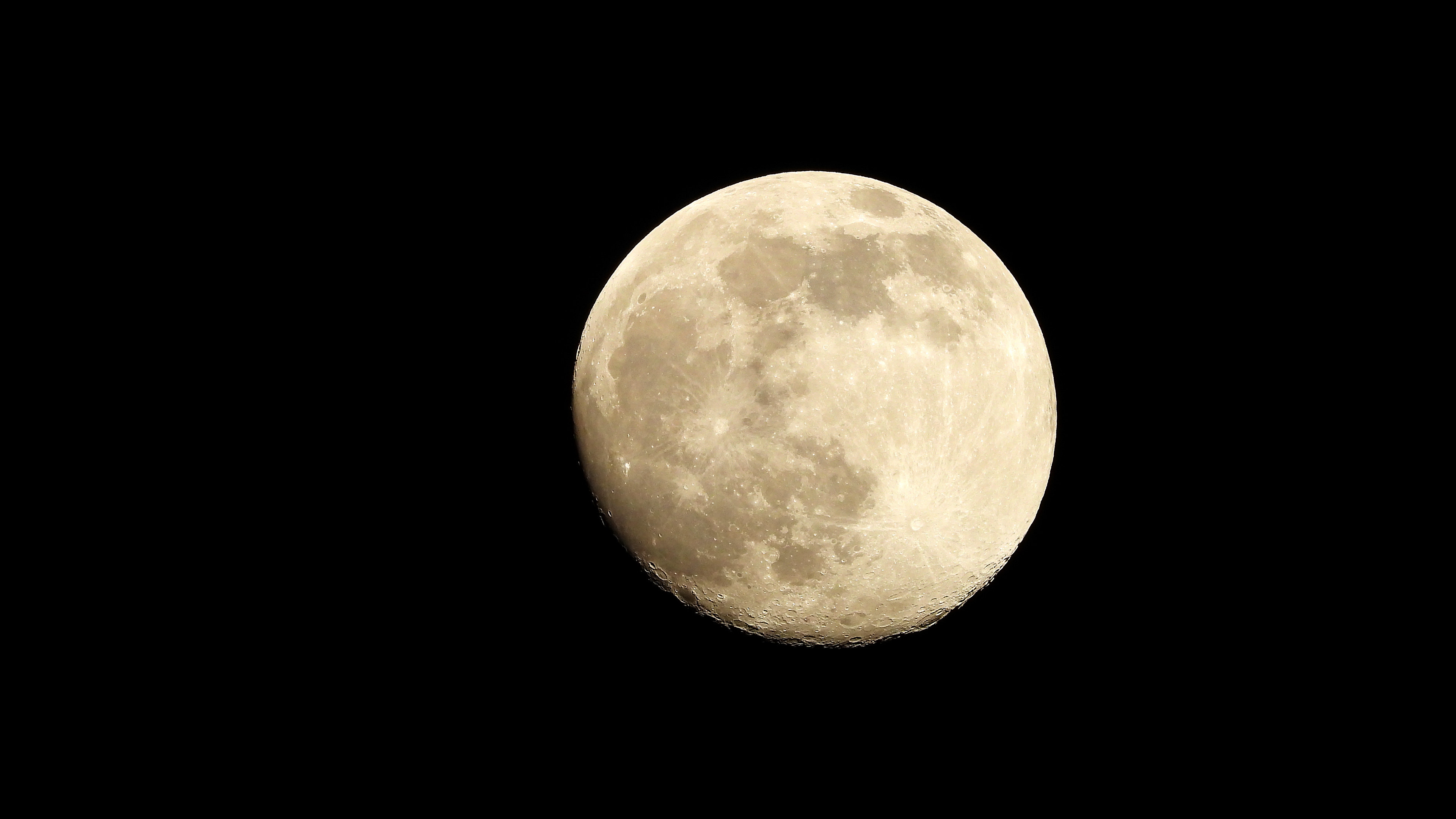
Sunday evening, Nov. 22 A waxing gibbous moon over Brevard County on Sunday evening, Nov. 22, 2026. A waxing gibbous moon over Brevard County on Sunday evening, Nov. 22, 2026. Photo: SCW Affiliate Jean
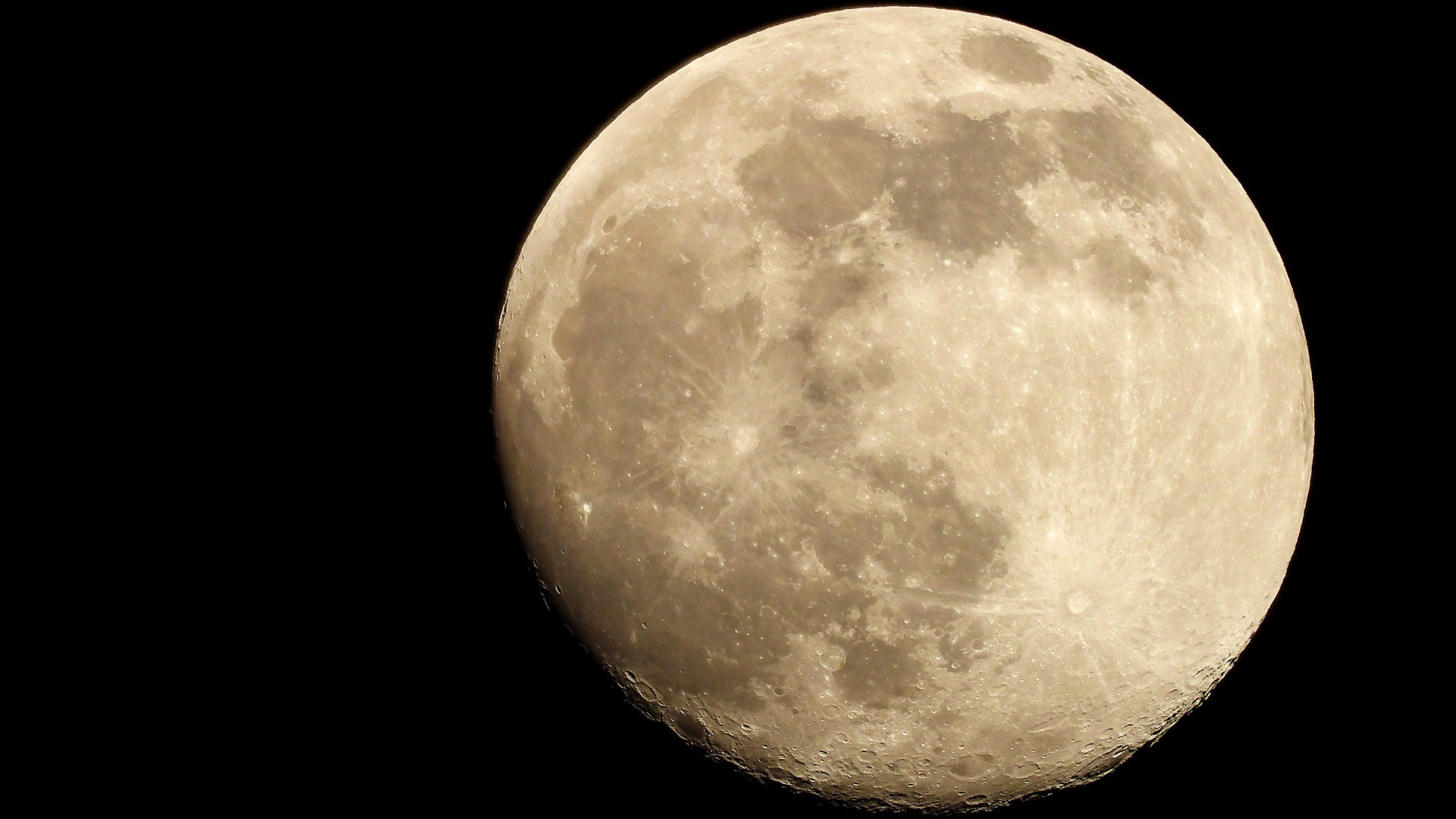
Sunday evening, Nov. 22 A tighter view of Sunday evening's waxing gibbous moon over Brevard County, with the bright rayed crater Tycho in the lower right. A tighter view of Sunday evening's waxing gibbous moon over Brevard County, with the bright rayed crater Tycho in the lower right. Photo: SCW Affiliate Jean
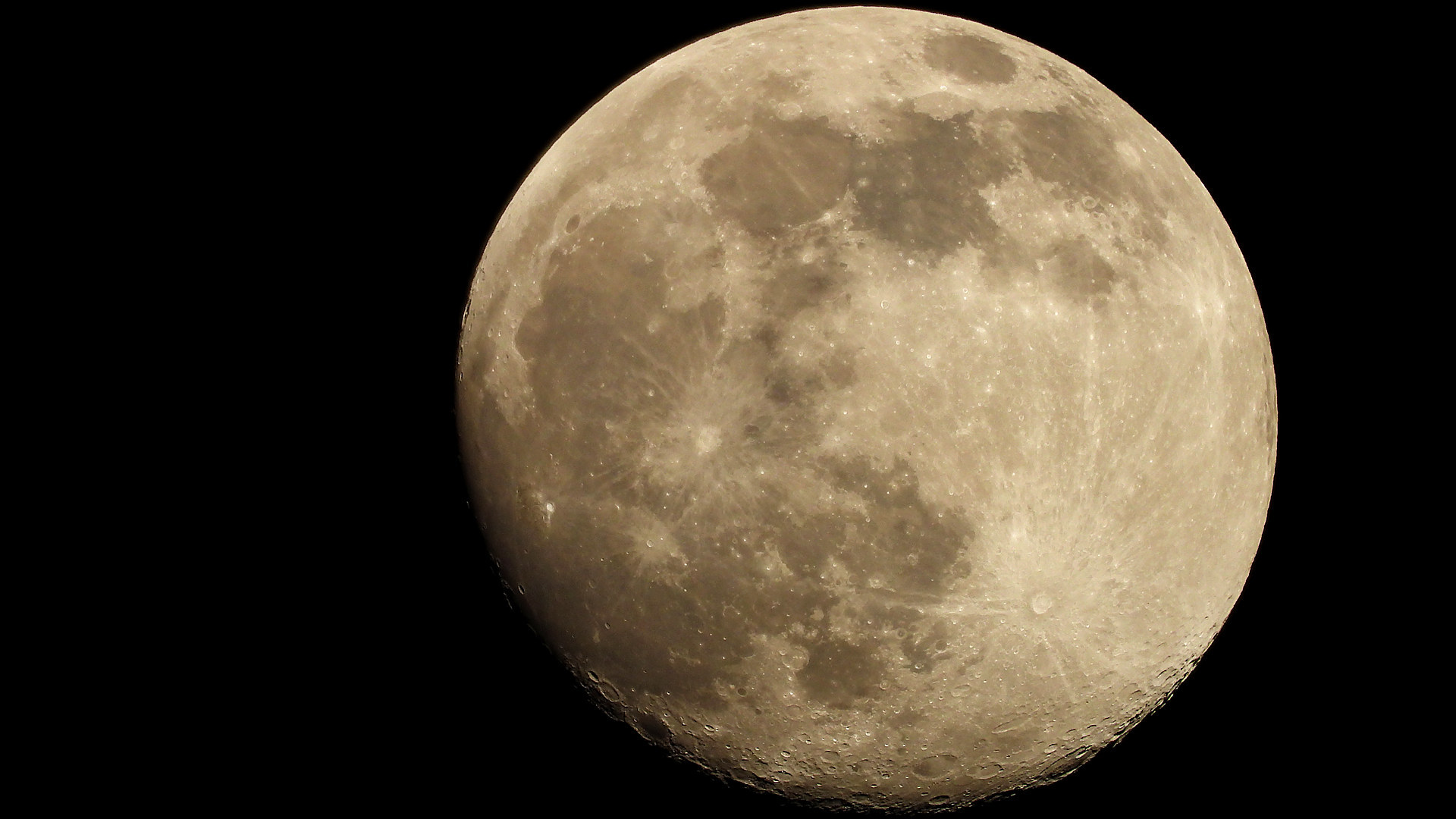
Sunday evening, Nov. 22 Another tight view of the nearly full moon over Brevard County on Nov. 22, 2026. Another tight view of the nearly full moon over Brevard County on Nov. 22, 2026. Photo: SCW Affiliate Jean
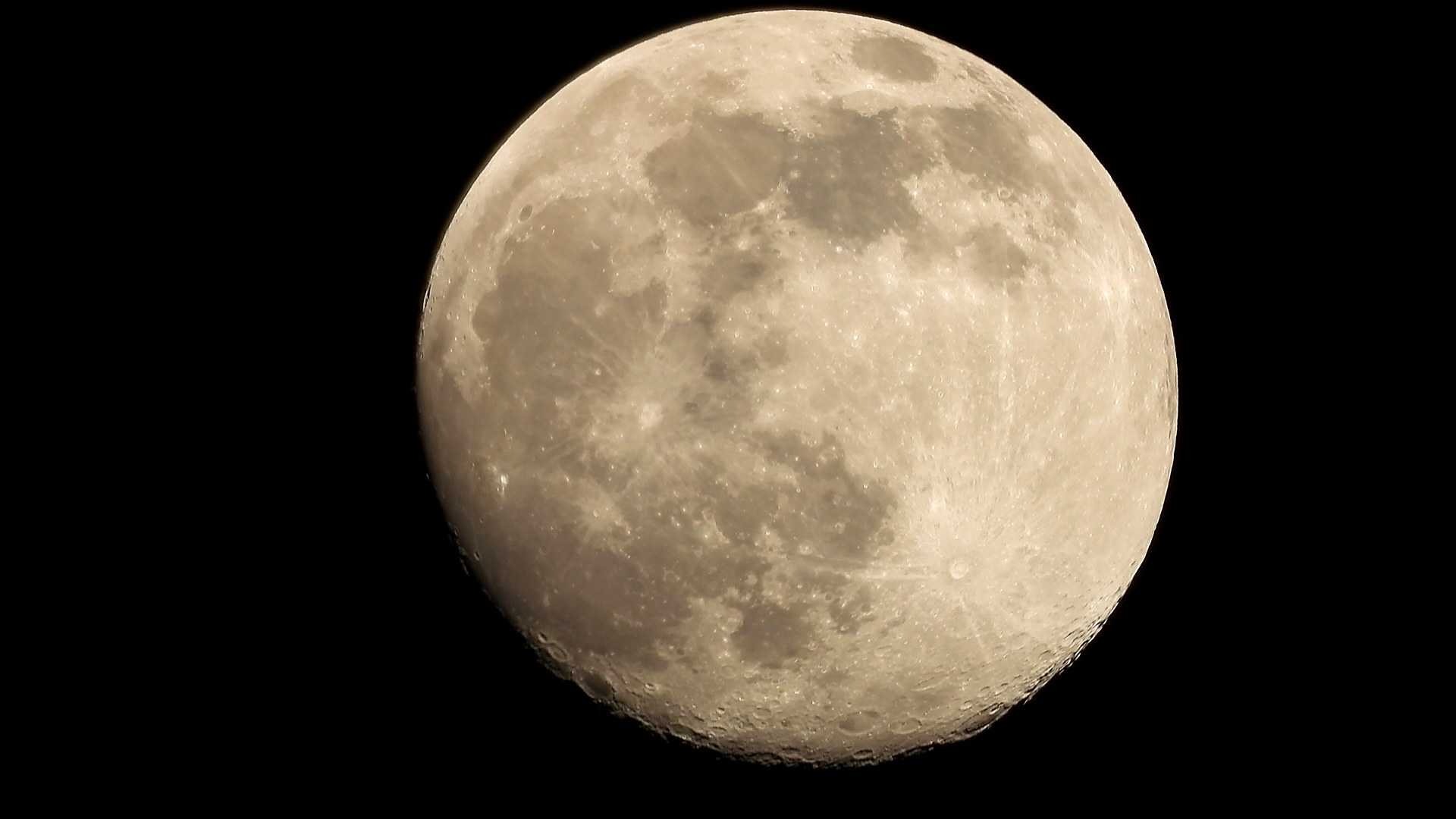
Sunday evening, Nov. 22 The waxing gibbous moon over Brevard County on Sunday evening, Nov. 22, 2026. The waxing gibbous moon over Brevard County on Sunday evening, Nov. 22, 2026. Photo: SCW Affiliate Jean
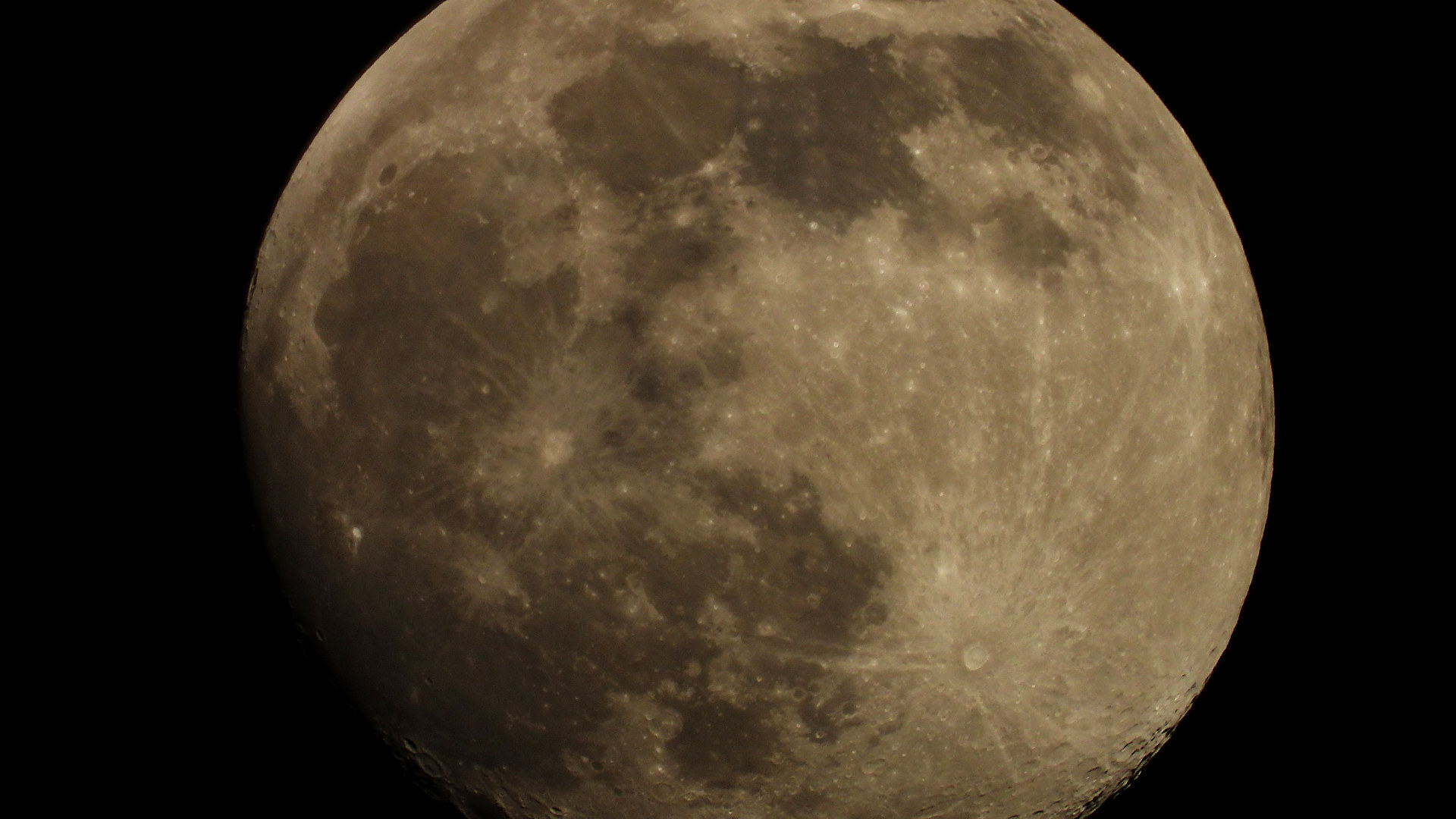
Sunday evening, Nov. 22 A closer view of Sunday evening's moon over Brevard County. A closer view of Sunday evening's moon over Brevard County. Photo: SCW Affiliate Jean
‹ Previous5 / 5Next ›Full size
Sources
- U.S. Naval Observatory: Sun and Moon data for Brevard County, Nov. 22, 2026 aa.usno.navy.mil/api/rstt/oneday?date=2026-11-22&coords=28.2,-80.65&tz=-5
- U.S. Naval Observatory: Celestial navigation data for Brevard County, 7:20 p.m. EST Nov. 22, 2026 aa.usno.navy.mil/api/celnav?date=2026-11-23&time=00:20&coords=28.2,-80.65
- U.S. Naval Observatory: Sun and Moon data for Brevard County, Nov. 24, 2026 aa.usno.navy.mil/api/rstt/oneday?date=2026-11-24&coords=28.2,-80.65&tz=-5
Show all 8 sourcesShow fewer
- U.S. Naval Observatory: Dates of Primary Phases of the Moon, 2026 aa.usno.navy.mil/calculated/moon/phases?year=2026
- NASA/JPL Horizons: Geocentric range of the Moon at 7:20 p.m. EST Nov. 22, 2026 ssd.jpl.nasa.gov/api/horizons.api?format=text&COMMAND=301&CENTER=500@399&START_TIME=2026-11-23T00:20&STOP_TIME=2026-11-23T00:21&STEP_SIZE=1m&QUANTITIES=20,23
- NASA Science: Tycho Crater on the Moon (Labeled) science.nasa.gov/resource/tycho-crater-on-the-moon-labeled/
- NASA Science: What's Up: November 2026 Skywatching Tips from NASA science.nasa.gov/solar-system/skywatching/whats-up-november-2026-skywatching-tips-from-nasa/
- NASA Science: Supermoons science.nasa.gov/moon/supermoons/
Spot something wrong? Request a correction · Our standards
Comments
Keep it friendly. Rude, hostile or personal-attack comments will be removed.