ULA says Vulcan suffered an anomaly and failed to put 40 Amazon Leo satellites in orbit
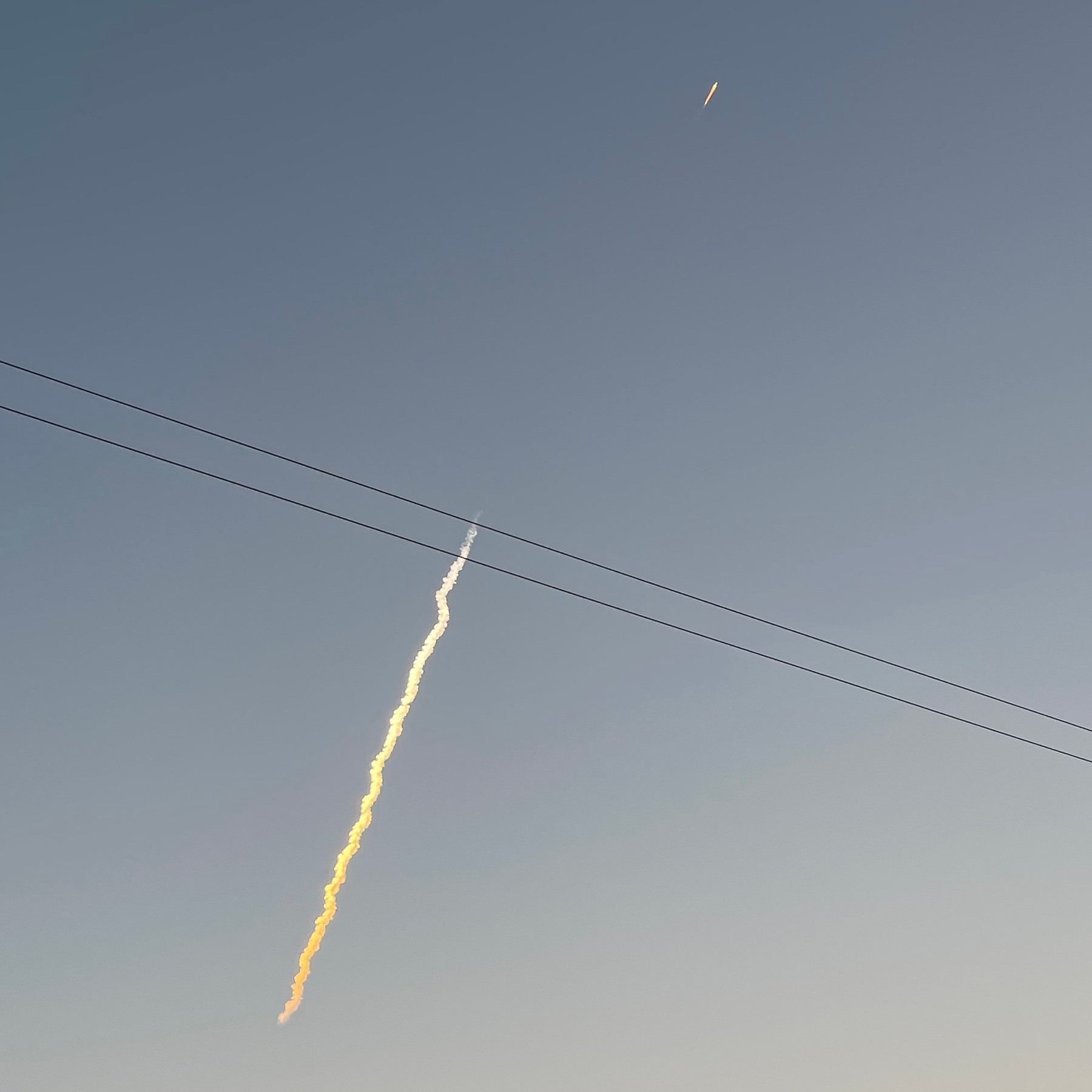
The rocket lifted off from Cape Canaveral at 12:40 p.m. Sunday, but ULA says an anomaly about 10 minutes into the flight kept the mission from reaching orbit. We have video of the liftoff from Brevard County, and a look at what our station likely recorded.
Written with AI assistance, with sources linked below.
Confirmed by: United Launch Alliance (anomaly statement), United Launch Alliance (liftoff), United Launch Alliance (booster jettison), United Launch Alliance mission page
Updates
- ULA confirmed the mission failed. The company said data received by its launch director shows the Vulcan rocket suffered an anomaly about 10 minutes into the flight and failed to deliver the Amazon mission to orbit, according to a ULA statement posted at 1:30 p.m. EST. ULA has not said what caused the anomaly. Headline updated and story raised to breaking.
- Added photos from the same Brevard County recording showing the solid rocket boosters falling away after burnout.
United Launch Alliance says its Vulcan rocket suffered an anomaly about 10 minutes into Sunday's flight and failed to deliver 40 Amazon Leo broadband satellites to orbit, according to a ULA statement posted at 1:30 p.m. EST. ULA said the finding was based on data received by its launch director. The company has not said what went wrong.
United Launch Alliance's Vulcan rocket lifted off from Cape Canaveral Space Force Station at 12:40 p.m. EST on Sunday, Nov. 15, carrying 40 Amazon Leo broadband satellites, according to ULA's liftoff update. The launch came at the end of a 12:11 to 12:40 p.m. EST window, after a brief hold and a recycle earlier in the countdown.
About two minutes after liftoff, ULA said the GEM 63XL solid rocket boosters had burned out and separated, according to a ULA update.
Later in the same recording from Brevard County, the footage shows the solid rocket boosters falling away from the core after burnout.
The countdown did not go straight to the opening of the window. ULA had been aiming for 12:11:40 p.m. EST after a go for weather, according to a ULA update posted at 11:45 a.m.. At 12:13 p.m., ULA said the countdown had been stopped and that the team was recycling clocks back to T-minus 7 minutes, according to a ULA update. The company did not immediately say why the count was held.
At 12:18 p.m., Launch Director Eric Richards instructed the team to retarget the launch for 12:40:30 p.m. EST and reset the L-minus clock to match that time, according to a ULA update. That time was at the end of the window listed on ULA's mission page. ULA later said the final phase of the countdown was underway, with clocks at T-minus 7 minutes and counting, according to a ULA update posted at 12:34 p.m..
The rocket is carrying 40 Amazon Leo broadband satellites, the first of 38 Vulcan launches Amazon has bought, according to ULA and Amazon. It is also Vulcan's first flight since a solid rocket booster nozzle problem during a February launch, Spaceflight Now reported.
Sunday's liftoff followed two scrubs. ULA called off Friday's launch after a power interruption at the Air Liquide gaseous nitrogen plant knocked out its high-pressure pumps, according to a ULA update posted Friday morning, and called off Saturday's attempt after a network communication issue between the ground equipment and the rocket needed reconfiguration that would have run past the window, according to a ULA update posted Saturday morning. Our earlier coverage of the delays and Sunday's countdown is in this story.
What our station heard
A home weather and science station in Brevard County, about 30 miles from Space Launch Complex 41, likely recorded low-frequency sound, or infrasound, from the launch.
The signal arrived about 12:43:30 p.m. EST, about three minutes after liftoff. It was strongest between 12:44:30 and 12:48 p.m., and faded by about 12:50 p.m. At its peak, the pressure change was about 0.15 pascals. On average, it was about three to four times the background level, mostly in the 1.5 to 6 Hz range, below human hearing. Nothing similar appeared at the same clock time on Saturday, Nov. 14.
The station's seismometer did not show a launch signal, and neither did its magnetometer, radiation counter, radio meteor detector or sky meter. Similar-sized bursts of local noise happen a few times a day, so the case rests on the timing and shape of the signal, not the amplitude alone. The reading has not yet been independently cross-checked with other stations.
The last photo in the gallery below compares Sunday's recording with the same period a day earlier.
Photos 5
Tap a photo to enlarge it.
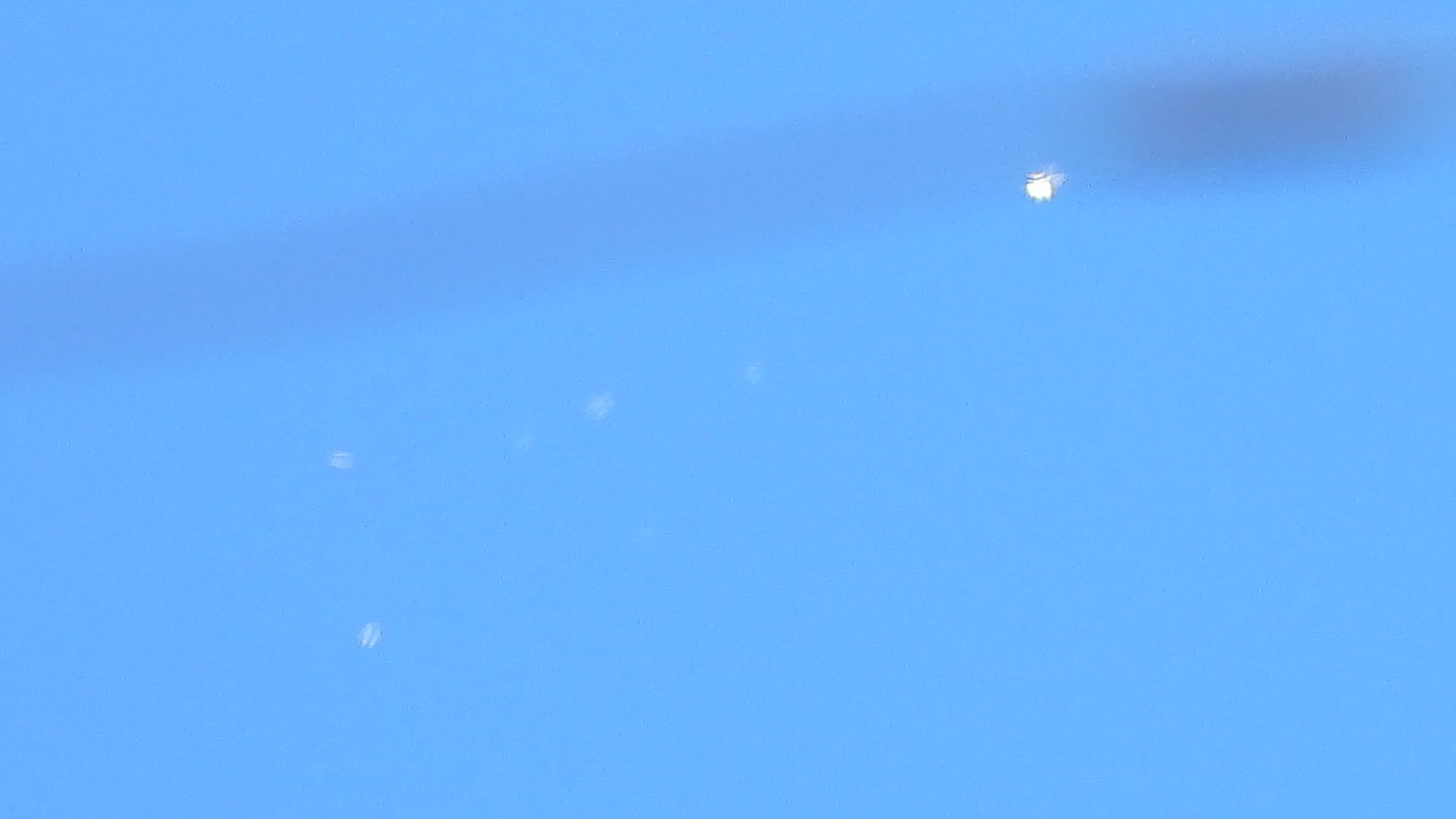
Nov. 15, 2026 Vulcan's solid rocket boosters fall away after burnout, seen from Brevard County. Vulcan's solid rocket boosters fall away after burnout, seen from Brevard County. Photo: SCW Affiliate Jean (frame grab)
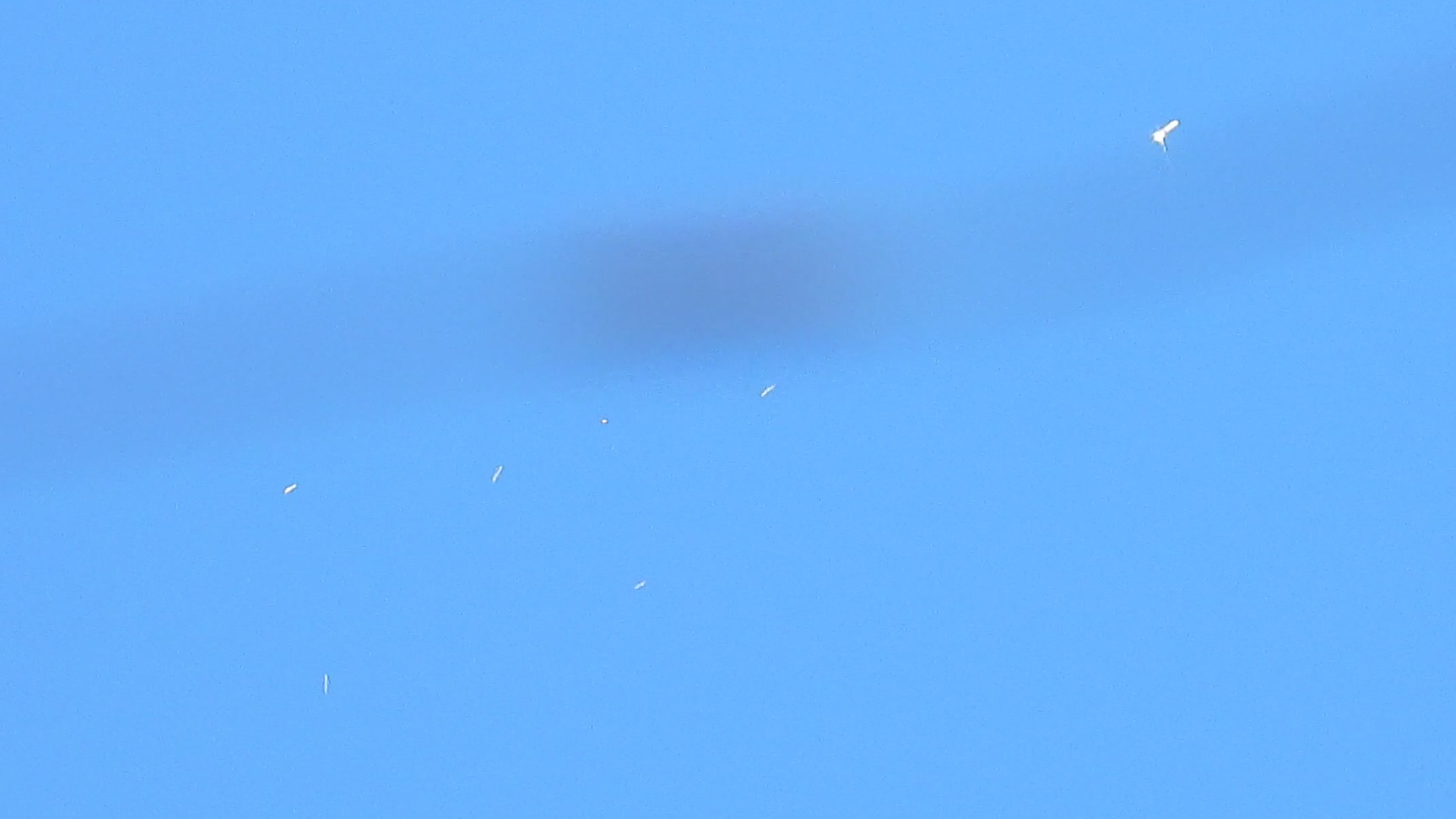
Nov. 15, 2026 The solid rocket boosters lag farther behind the core after burnout, seen from Brevard County. The solid rocket boosters lag farther behind the core after burnout, seen from Brevard County. Photo: SCW Affiliate Jean (frame grab)
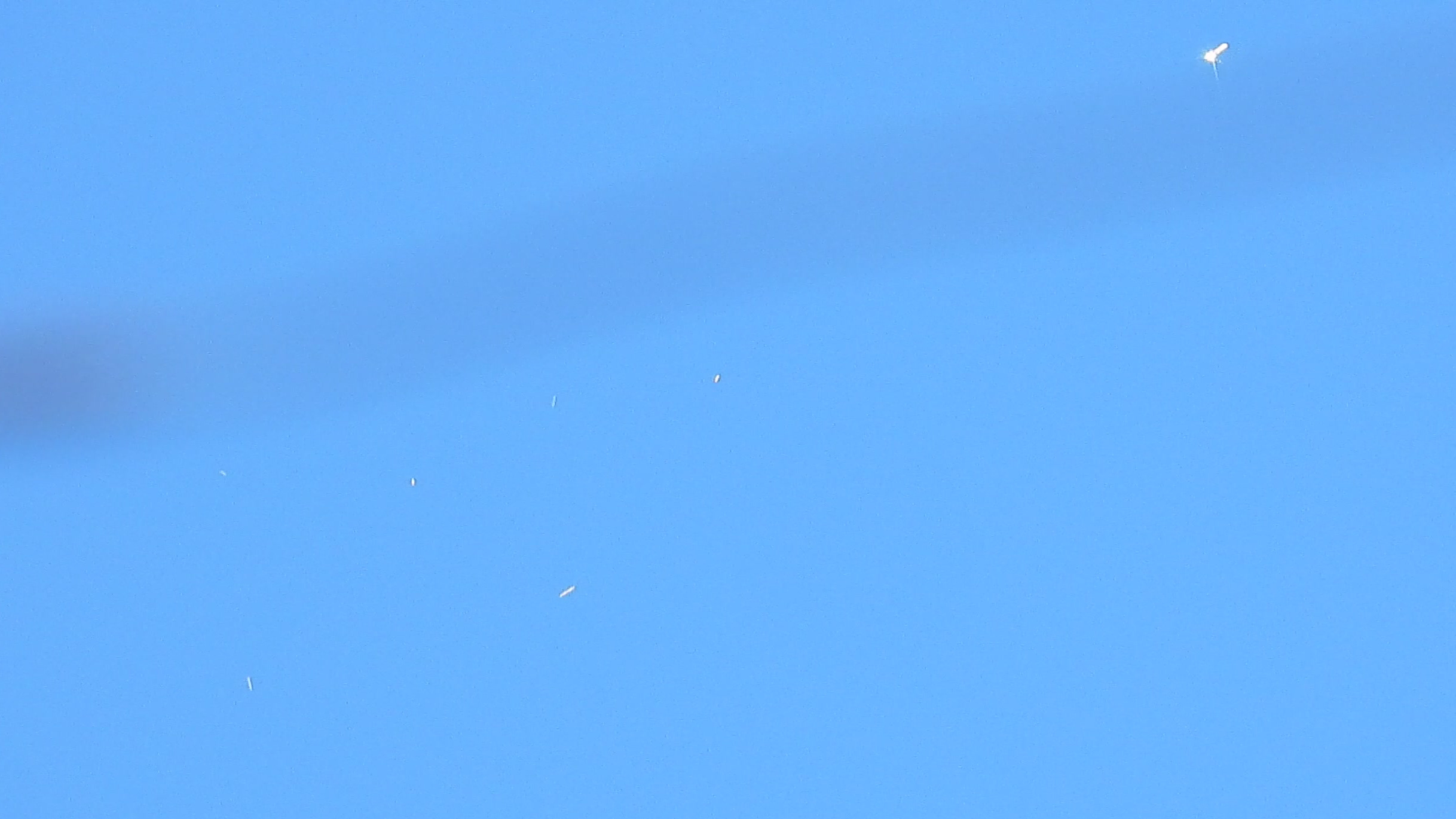
Nov. 15, 2026 Vulcan's core continues ahead as the spent boosters spread farther behind it, seen from Brevard County. Vulcan's core continues ahead as the spent boosters spread farther behind it, seen from Brevard County. Photo: SCW Affiliate Jean (frame grab)
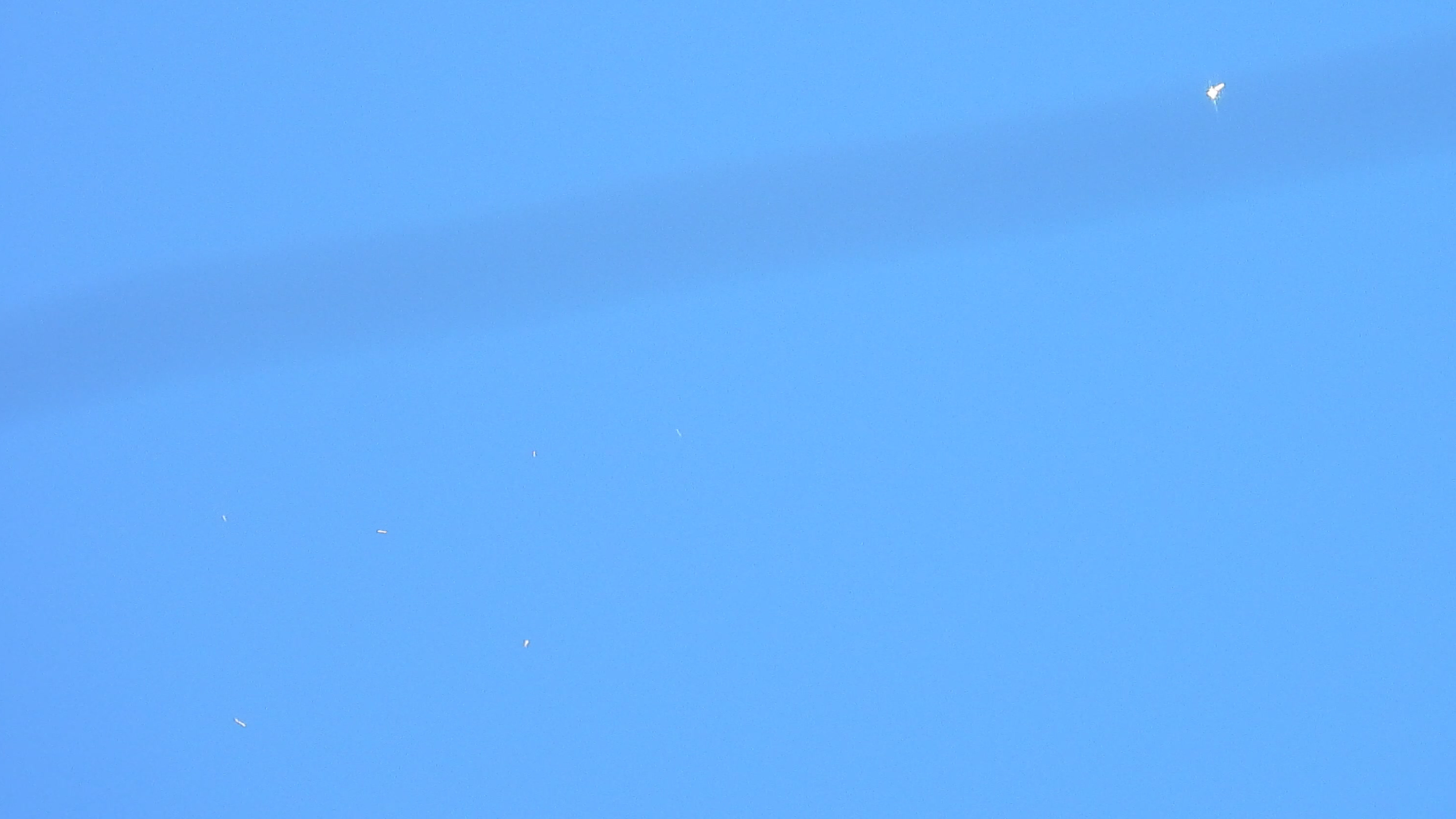
Nov. 15, 2026 The core pulls farther ahead after booster burnout, with the spent boosters falling away, seen from Brevard County. The core pulls farther ahead after booster burnout, with the spent boosters falling away, seen from Brevard County. Photo: SCW Affiliate Jean (frame grab)
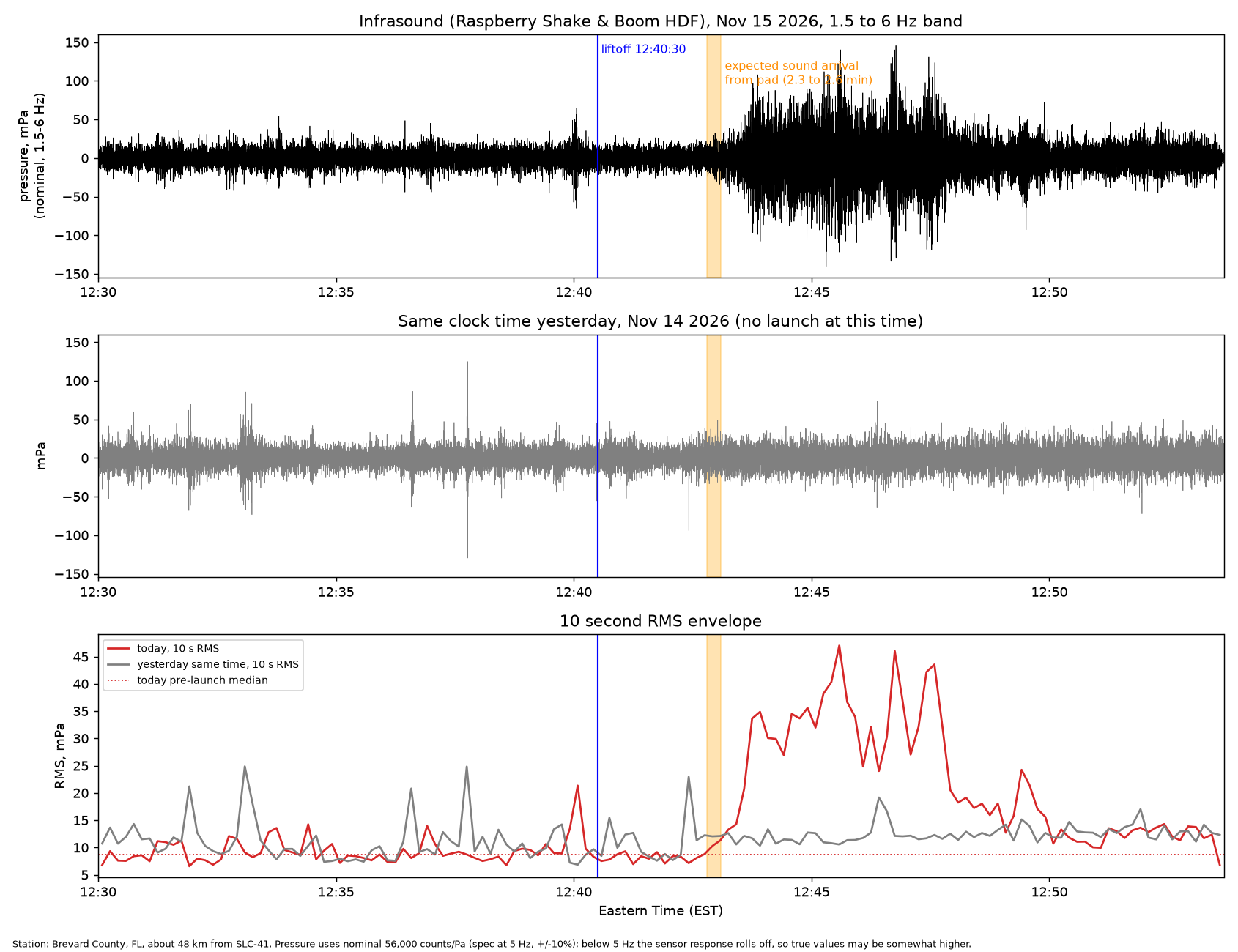
Nov. 15, 2026 Infrasound recorded Sunday, compared with the same clock time Saturday, when there was no launch. Infrasound recorded Sunday, compared with the same clock time Saturday, when there was no launch. Data: Space Coast Wire home station (SCW Affiliate Jean)
‹ Previous5 / 5Next ›Full size
Sources
- ULA on X: anomaly statement, Nov. 15, 2026 x.com/ulalaunch/status/2122034531658076417
- ULA on X: Vulcan liftoff, Nov. 15, 2026 x.com/ulalaunch/status/2122021991448473680
- ULA on X: booster burnout and jettison confirmed, Nov. 15, 2026 x.com/ulalaunch/status/2122022432710201649
Show all 14 sourcesShow fewer
- ULA on X: new launch time 12:40:30 p.m. EST, Nov. 15, 2026 x.com/ulalaunch/status/2122016518745567401
- ULA on X: countdown held, recycling to T-minus 7 minutes, Nov. 15, 2026 x.com/ulalaunch/status/2122015069202735460
- ULA on X: T-minus 7 minutes and counting, Nov. 15, 2026 x.com/ulalaunch/status/2122020530949705892
- ULA on X: weather go for 12:11:40 p.m. EST, Nov. 15, 2026 x.com/ulalaunch/status/2122008166083035595
- ULA: Vulcan Leo 1 mission page www.ulalaunch.com/missions/next-launch/vulcan-leo-1
- ULA blog: Vulcan Leo 1, delivering 40 satellites to space blog.ulalaunch.com/blog/vulcan-leo-1-delivering-40-satellites-to-space
- Amazon: Amazon Leo LV-01, 40 satellites in the first Vulcan launch, Nov. 9, 2026 www.aboutamazon.com/news/amazon-leo/amazon-leo-vulcan-satellites-launch
- ULA on X: Vulcan Leo 1 launch delayed, Nov. 14, 2026 x.com/ulalaunch/status/2121603937232879787
- ULA on X: Vulcan Leo 1 launch delayed, Nov. 13, 2026 x.com/ulalaunch/status/2121252131172671506
- Spaceflight Now: ULA delays Vulcan rocket launch of 40 Leo satellites for Amazon, Nov. 13, 2026 spaceflightnow.com/2026/11/13/ulas-vulcan-rocket-plans-return-to-flight-with-launch-of-40-leo-satellites-for-amazon/
- Space Coast Wire home station (SCW Affiliate Jean), infrasound recording, Nov. 15, 2026 spacecoastwire.com/story/ula-vulcan-lifts-off-cape-canaveral-amazon-leo-nov-15
Spot something wrong? Request a correction · Our standards
Comments
Keep it friendly. Rude, hostile or personal-attack comments will be removed.